Bella & Duke Senior: raw feeding an older dog
Bella & Duke sells a Senior range for older dogs, alongside its adult, puppy and working ranges. Our Roxy is a 10-year-old mixed breed who has eaten Bella & Duke for about three years. Here is what the Senior range is, how raw feeding changes (and doesn’t) for an older dog, and what to ask your vet first.

What is Bella & Duke Senior?
Bella & Duke Senior is one of the raw dog food ranges Bella & Duke sells for a particular life stage. Its full list of dog ranges is: Adult Premium Complete, Puppy, Senior, Working Dog, Working Puppy, Superfood and Pure Meat + Bone. Senior is the one it aims at older dogs. Like the others, it arrives frozen, you defrost it in the fridge (Bella & Duke says this takes around 24 hours), and there is no cooked range: the food contains bone and should not be cooked.
Bella & Duke describes its complete meals as at least 80% meat and 20% fruit, veg and healthy fats. That is Bella & Duke’s own description, not something we have tested. We haven’t listed the Senior recipes’ nutritional breakdowns here, because they can change and we would rather you read the current figures on Bella & Duke’s product page. If your vet has suggested anything specific for your older dog, such as watching protein, fat or calories, take that product page to them and ask whether it fits.
All About Dog Food, an independent rating site, gives Bella & Duke a brand average of 95% (updated 5 November 2026). That score is an average across the brand’s products, not a rating of the Senior range on its own. Our Bella & Duke review covers the brand as a whole.
Is raw food right for an older dog?
It can be, but it depends on the dog, and an older dog is the case where your vet’s view matters most. Dogs age very differently. Some ten-year-olds are still racing round the park; others are slowing down, have had teeth out, or are living with a condition that affects what they should eat. A food that suits one older dog may not suit another.
Before you change a senior dog’s diet, ask your vet. That matters even more if your dog has kidney problems, dental problems, a sensitive stomach or any other ongoing condition, or takes regular medication. Your vet can tell you whether raw makes sense for your dog and, if so, what to watch for. Our wider guide to raw feeding senior dogs goes into the general questions in more depth.
The honest downsides come first, because they apply to older dogs as much as any other:
What can work well
- Complete meals portioned for your dog's age, weight and activity
- A dedicated Senior range, so you are not adapting an adult food yourself
- No minimum term: you can stop if it doesn't suit your dog
- Delivered frozen to your door, so there are no heavy bags to carry home
What to weigh up
- Raw meat needs careful handling in the kitchen
- Freezer space: a frozen box takes room
- It costs more than most dry food
- Not right for every older dog, especially one with a health condition: ask your vet
On handling: the Food Standards Agency tested 380 samples (277 dog, 103 cat) of raw pet food on sale in the UK and found harmful bacteria in 35% of them, including Salmonella in 21%. The survey didn’t name brands. It is a reason to be careful with hygiene, especially if anyone in your home is very young, elderly, pregnant or unwell. Our guide to whether raw dog food is safe sets out the full picture and the handling rules we follow.
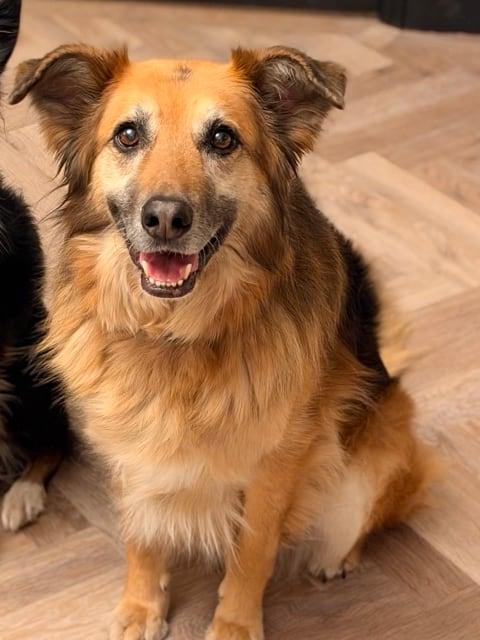
Roxy, our 10-year-old
Roxy is the senior half of our household, and the reason this page exists. Here is what we can tell you first-hand.
Here is what changed in our two dogs, written as observations rather than promises:
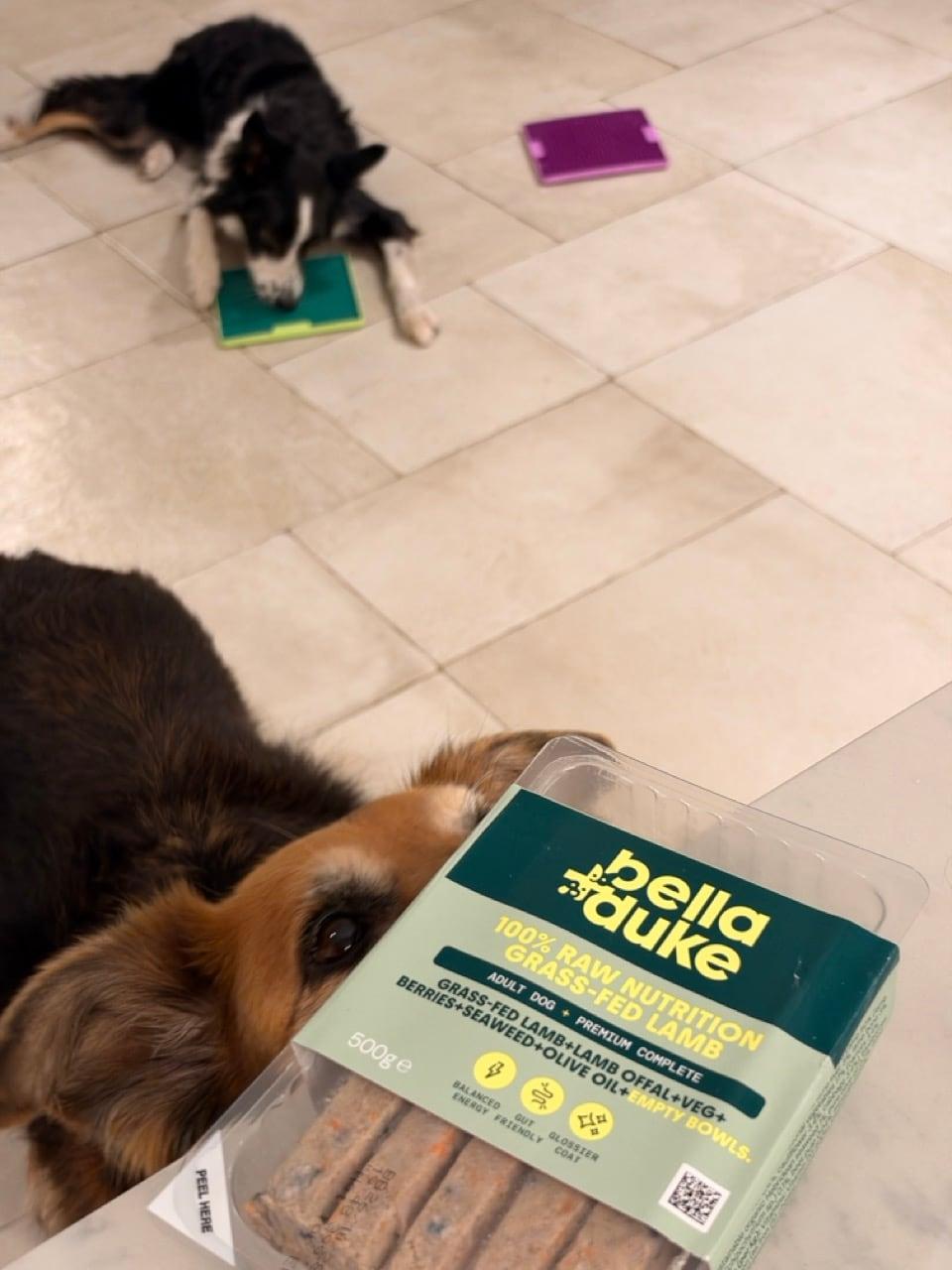
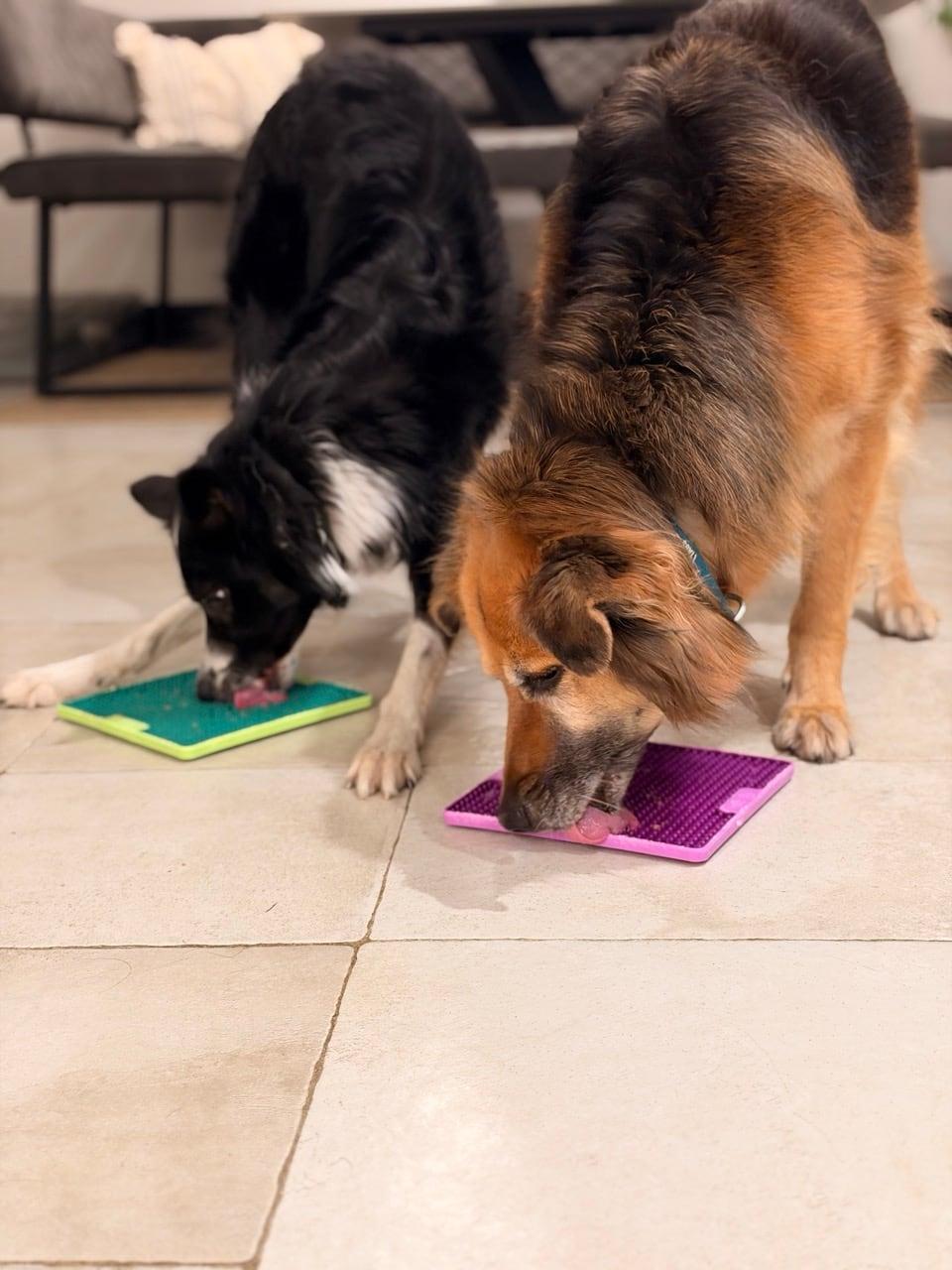
- Clean bowls, every mealBoth finish everything and are keen at mealtimes. No more fussing or leftovers.
- Smaller, firmer poosA noticeable change, and easier pick-ups on walks.
- Better coats and skinShinier coats and less scratching than before.
- Steadier weight, more pepEasier to keep both at a healthy weight, with plenty of energy.
The one downside: finding freezer space, which is the same with any frozen raw food.
This is what we noticed in our two dogs, not a promise of what any food will do for yours. A starting point, not veterinary advice. Ask your vet before changing your dog's diet, especially for puppies, pregnant or nursing dogs, or dogs with a health condition.
You can read more about both dogs, and why we write this site, on our dogs page.
How much to feed a senior dog
Start from the general raw feeding guide, then adjust for your dog. The Kennel Club suggests adult dogs eat 2–3% of their body weight in raw food each day: for a 10 kg dog, that is 200 g to 300 g. It also says active dogs need to eat more, which works the other way for a dog who is slowing down: a less active older dog often needs an amount nearer the lower end.
Our raw feeding calculator does this for you. Choose “Senior” and it nudges the daily amount slightly lower than for an adult of the same weight and activity, then splits it into meals and a weekly total. If you are signing up to Bella & Duke, its own plan also asks for your dog’s age, weight and activity and suggests a portion.
Whatever the starting number, the scales decide. Weigh your dog every couple of weeks at first. If they are losing weight you didn’t want them to lose, feed a little more; if they are gaining, a little less. Treats count too. For older dogs a steady weight is worth watching closely, and a sudden change either way is worth a call to your vet. Our guide to how much raw food to feed explains the 2–3% guide in more detail.
Switching an older dog to raw
If your vet is happy, go gently. Many owners move an older dog over more slowly than they would a young one, mixing in small amounts of the new food and increasing it over a week or more. Watch their stools, appetite and energy, and slow down if their tummy seems unsettled. Our step-by-step guide to switching from kibble to raw covers the gradual approach and what to expect in the first weeks.
If your dog is already on raw and you are thinking of moving them from an adult range to Senior, the same rule applies: change one thing at a time, keep an eye on their weight, and ask Bella & Duke’s customer team or your vet if you are unsure which suits your dog.
Chews, treats and older teeth
Chews and treats need a little more thought for an older dog. Teeth can be worn, sensitive or missing, so a hard chew that a young dog enjoys may be too much. Pick something sized and textured for your dog, supervise while they chew, and ask your vet if you are unsure what is safe for their mouth. We make no claims about chews and teeth: if you have dental worries, that is a vet’s question.
Treats also count towards the day’s food, which matters more for a less active dog whose weight can creep up. Our page on Bella & Duke treats and chews covers what is in the range and how we fit treats around meals.
Senior range or adult food?
There is no single age at which a dog must move onto a senior food. Size, breed, health and activity all play a part, and plenty of owners keep an older dog on an adult food if it suits them and their vet is happy. Others move to a senior range when their dog slows down or their vet suggests it.
Questions worth asking before you choose:
- Is my dog keeping a steady weight on their current food? If so, there may be no reason to change.
- Has my vet suggested anything about their diet? Compare that with the Senior recipes’ nutritional information on Bella & Duke’s site.
- Does my dog have a condition that affects what they can eat? Then your vet’s advice comes before any range name.
- Is my dog still very active? An active older dog may need more food than the “senior” label suggests.
Cost and the friend code
Bella & Duke advertises prices from £1.18 a day, based on a 5–10 kg, 4-year-old dog on Adult Premium Complete with an 8 kg delivery. That is for an adult range and a small dog; your quote depends on your dog’s size, activity and range. Our Bella & Duke price guide explains what moves the price.
The friend discount covers frozen food on your first three orders only, and the Senior range is frozen food, so it should apply in the same way: 40% off your first two boxes, then 20% off the third, each up to a cap. Check the discount shows on your first order before you pay. Our Bella & Duke discount code page has the code, the caps and who qualifies.
New UK customers only: your household must never have had a Bella & Duke account or delivery. Frozen food on your first three orders only, and it can't be combined with another offer.
Frequently asked questions
Does Bella & Duke make a senior dog food?
Yes. Bella & Duke lists a Senior range alongside its other dog ranges: Adult Premium Complete, Puppy, Senior, Working Dog, Working Puppy, Superfood and Pure Meat + Bone. Like the rest of its food, it is raw and frozen, and there is no cooked range: the food contains bone and should not be cooked.
Is raw food suitable for an older dog?
It can be, but older dogs vary a lot. Ask your vet before changing your senior dog's diet, especially if your dog has kidney problems, dental problems, a sensitive stomach or any other condition, or takes regular medication.
How much raw food should a senior dog eat?
The Kennel Club's guide is 2–3% of body weight a day for adult dogs. Many older dogs are less active, so they often sit nearer the lower end. Our feeding calculator nudges senior dogs slightly lower, and you should weigh your dog every couple of weeks and adjust. Check the amount with your vet.
Does the Bella & Duke friend discount work on the Senior range?
The friend discount covers frozen food on your first three orders only, and the Senior range is frozen food. It is for new UK households only and cannot be combined with another offer. Check the discount shows on your first order before you pay.
Which Bella & Duke food does Roxy eat?
Roxy, our 10-year-old mixed breed, has eaten Bella & Duke raw complete meals for about three years. We will add which range she is on to this page. Whatever she eats, it is not a recommendation for your dog: ask your vet what suits yours.
Sources
- Bella & Duke raw dog food ranges
- Bella & Duke pricing and delivery
- Royal Kennel Club: Is raw food good for dogs?
- Food Standards Agency: survey of contamination in raw dog and cat food on sale in the UK
- GOV.UK: Good hygiene when handling raw pet food emphasised in FSA survey (25 February 2026)
- Bella & Duke help: How to defrost your food
- Bella & Duke referral offer page
- All About Dog Food: Bella + Duke brand page (updated 5 November 2026)
Figures last checked 15 November 2026. If something has changed, tell us and we will correct it.
Related reading
- Raw for senior dogsRaw feeding an older dog: what changes with age, portions, switching gently and what to check with your vet, with our 10-year-old Roxy's experience.
- ReviewA first-hand Bella & Duke review from a UK two-dog home: what changed after switching from Tails.com and Butternut Box, the price, freezer space and who it suits.
- Feeding calculatorEnter your dog's weight, age, activity and weight goal for a daily raw food amount in grams, per meal and per week, using the Kennel Club's 2–3% guide.
- Discount codeOur Bella & Duke friend code gives 40% off your first two boxes and 20% off the third. The caps per box, who can use it and why a code sometimes fails.