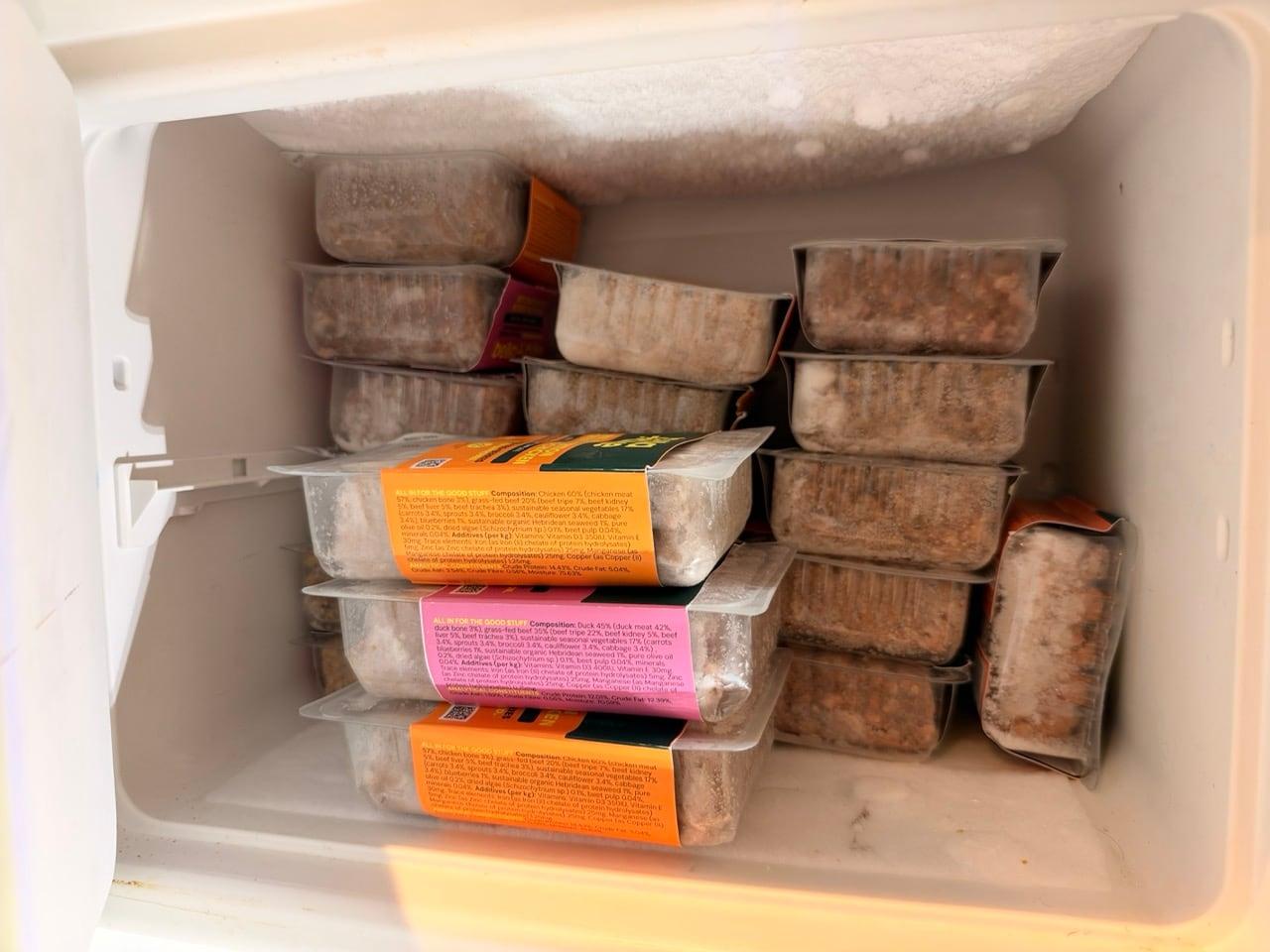
Raw feeding border collies and active dogs
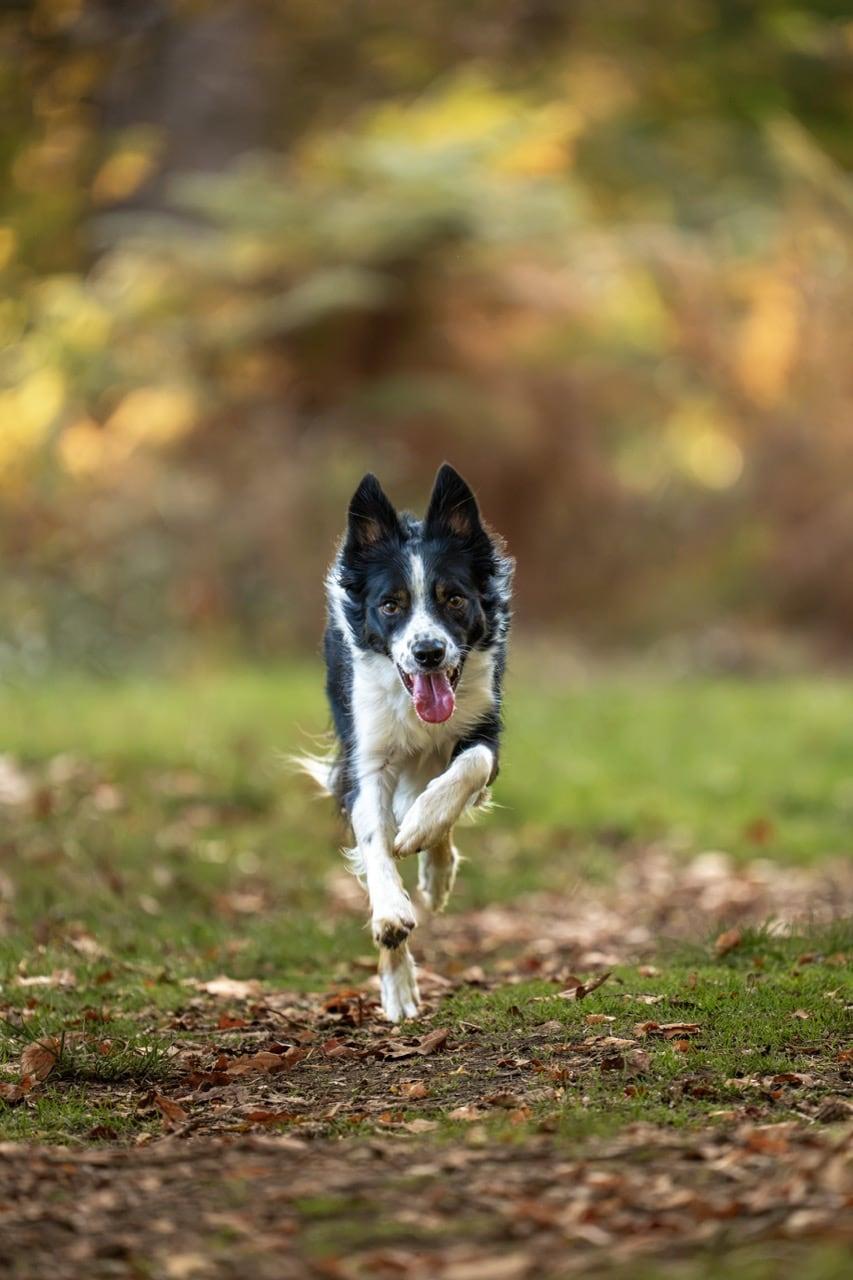
Raw feeding a border collie or any high-energy dog comes down to three things: enough food for the work they do, a steady weight, and treats counted as part of the day. Our Bracken is a 3-year-old border collie, young and very active, and has eaten raw for about three years. This is how to think about raw food for active dogs.
The short answer
An active dog can do well on raw, but they need more of it than a quieter dog, and the amount needs checking against the scales. Border collies were bred to work, and many are on the go all day, whether that is herding, agility, long runs or simply patrolling the garden. That energy has to come from somewhere, and a portion worked out for an average pet can leave a busy dog short.
The basics:
- Use a complete raw food, so the diet is balanced without you having to do the maths.
- Feed for your dog’s real activity, not the breed label.
- Weigh them every couple of weeks and adjust.
- Count treats, which active dogs often get a lot of.
- Leave a gap between a big meal and hard exercise.
As with any diet change, the Kennel Club’s advice on raw is to speak to your vet first. If you are moving your dog over from dry food, our guide to switching from kibble to raw sets out a gradual plan.
How much raw food does an active dog need?
More than a quieter dog of the same weight. The Kennel Club’s guide is 2–3% of body weight in raw food each day, and it says active dogs need to eat more. A very active dog usually sits at the top of that range. For an illustrative 20 kg dog, roughly border collie sized, the range is 400 g to 600 g a day.
Our raw feeding calculator works it out for your dog. Enter their weight, choose “Very active” and it starts at the top of the range, then gives a per-meal amount and a weekly total. If you are feeding a dog that is still growing, choose “Puppy”: the calculator deliberately gives no number for puppies, because their needs change month by month.
“Very active” isn’t the same every week. A dog that works hard in some seasons and less in others, or that does sport at weekends and lazes about midweek, may need its portion adjusting through the year. Our guide to how much raw food to feed covers adjusting for activity in more detail.
Keeping weight steady
For an active dog, a steady weight is the best sign you have the amount right. Weigh your dog every couple of weeks while you settle on a portion. If they are losing weight you didn’t want them to lose, feed a little more; if they are gaining, a little less. Treats count too.
Use your hands as well as the scales. You should be able to feel the ribs easily without pressing hard, and see a waist from above. Lean, fit dogs can look slimmer than owners expect, so if you are unsure what a healthy shape looks like for your dog, ask your vet at the next check-up. A drop in weight you can’t explain by more exercise is always worth a call to the vet.
Keeping weight steady was one of the things we noticed in our own two dogs after switching to raw: in our words, it has been easier to keep both at a healthy weight, with plenty of energy. That is an observation of two dogs, not a promise of what raw will do for yours.
Meals and exercise
Many owners and vets suggest not feeding a big meal right before hard exercise, and letting a dog settle after exercise before a full meal. It is common advice for any dog, raw-fed or not, and it matters most for dogs that run hard.
How long to leave depends on the dog, the meal and the exercise, so ask your vet what suits yours, especially if you have a large or deep-chested dog. In practice, many owners of active dogs:
- split the day’s food into two meals rather than one big one
- plan the main walk or training session so it doesn’t follow straight after a meal
- let a dog cool down and settle after exercise before feeding
- keep fresh water available, and take some out on long days
Splitting into two meals also makes it easier to keep a regular routine around work or training. Our calculator shows a per-meal amount based on two meals a day.
Treats and training rewards
Active dogs often get a lot of treats: training rewards, recall rewards and something to chew after a long day. They all count towards the day’s food. A dog that earns dozens of rewards in a training session can take in a surprising amount on top of their meals.
- Break treats small. A tiny piece works just as well as a reward.
- Use part of the meal. Some owners hold back a little of the day’s food to use in training. With raw that is messier than kibble, so many use small dried treats instead.
- Trim dinner on heavy treat days. Then check the scales.
- Supervise chews. Pick a size and hardness that suits your dog.
We feed Bella & Duke’s treats and chews alongside its meals. Our page on Bella & Duke treats and chews covers what is in that range and how we fit treats around meals.
Bracken, our border collie
Bracken is the reason we wrote this guide. Here is what we can tell you first-hand.
Here is what we noticed across both dogs after switching:
- Clean bowls, every mealBoth finish everything and are keen at mealtimes. No more fussing or leftovers.
- Smaller, firmer poosA noticeable change, and easier pick-ups on walks.
- Better coats and skinShinier coats and less scratching than before.
- Steadier weight, more pepEasier to keep both at a healthy weight, with plenty of energy.
This is what we noticed in our two dogs, not a promise of what any food will do for yours. A starting point, not veterinary advice. Ask your vet before changing your dog's diet, especially for puppies, pregnant or nursing dogs, or dogs with a health condition.
There is more about both dogs on our our dogs page.
Do you need a working dog food?
Not necessarily. A lively pet border collie may do well on an adult complete food in a bigger portion. Working ranges are aimed at dogs that work or train hard most days, and the right choice depends on how much your dog really does and how they hold their weight.
Some raw brands make working ranges. Bella & Duke, the brand we feed, has Working Dog and Working Puppy ranges among its dog ranges (Adult Premium Complete, Puppy, Senior, Working Dog, Working Puppy, Superfood and Pure Meat + Bone). Our page on Bella & Duke Working Dog covers who that range is for, its independent ratings and how it compares with the adult food. Whichever brand you use, ask your vet if you are unsure whether your dog needs more than an adult food.
Cost, freezer space and safety
An active dog eating at the top of the range costs more to feed and takes more freezer space. These are the honest downsides:
What can work well
- Complete meals portioned by weight, easy to adjust as activity changes
- Easy to scale up or down by a few grams
- Working ranges exist if your dog needs more
What to weigh up
- More food means a higher bill
- More food means more freezer space
- Raw meat needs careful handling
- Treats on top add to the cost
On cost: raw food prices are usually quoted per day for a small or average dog. Bella & Duke, for example, advertises from £1.18 a day, based on a 5–10 kg, 4-year-old dog on Adult Premium Complete with an 8 kg delivery. A bigger, busier dog will cost more. Our guide to raw dog food cost per day explains what to budget.
On safety: the Food Standards Agency tested 380 samples (277 dog, 103 cat) of raw pet food on sale in the UK and found harmful bacteria in 35% of them, including Salmonella in 21%. The survey did not name brands. Wash hands, bowls and surfaces after every meal, and be extra careful if anyone at home is very young, elderly, pregnant or unwell. Our guide to whether raw dog food is safe covers the full picture.
Frequently asked questions
Is raw food good for border collies?
Many border collies and other active dogs eat raw, including ours. Whether it suits your dog depends on the dog, so ask your vet first. If you go ahead, use a complete raw food, feed for your dog's real activity level and weigh them regularly.
How much raw food does an active dog need?
The Kennel Club suggests 2–3% of body weight in raw food a day for adult dogs and says active dogs need to eat more. Very active dogs usually sit at the top of that range. Our calculator gives a starting amount; weigh your dog every couple of weeks and adjust.
Should I feed my dog before or after exercise?
Many owners and vets suggest not feeding a big meal right before hard exercise, and letting a dog settle after exercise before a full meal. How long to leave depends on the dog, so ask your vet what suits yours.
Do treats count on a raw diet?
Yes. Training rewards and chews are part of the day's food, and active dogs often get a lot of them. Trim meals on heavy treat days and watch their weight.
Does my border collie need a working dog food?
Not necessarily. A lively pet border collie may do well on an adult complete food in a bigger portion. Working ranges are aimed at dogs that work or train hard most days. Your vet can help you decide.
Sources
- Royal Kennel Club: Is raw food good for dogs?
- Food Standards Agency: survey of contamination in raw dog and cat food on sale in the UK
- GOV.UK: Good hygiene when handling raw pet food emphasised in FSA survey (25 February 2026)
- Bella & Duke pricing and delivery
- Bella & Duke raw dog food ranges
Figures last checked 15 November 2026. If something has changed, tell us and we will correct it.
Related reading
- Working dogsBella & Duke's Working Dog range explained, who it is for, and raw feeding a young, very active border collie in our house.
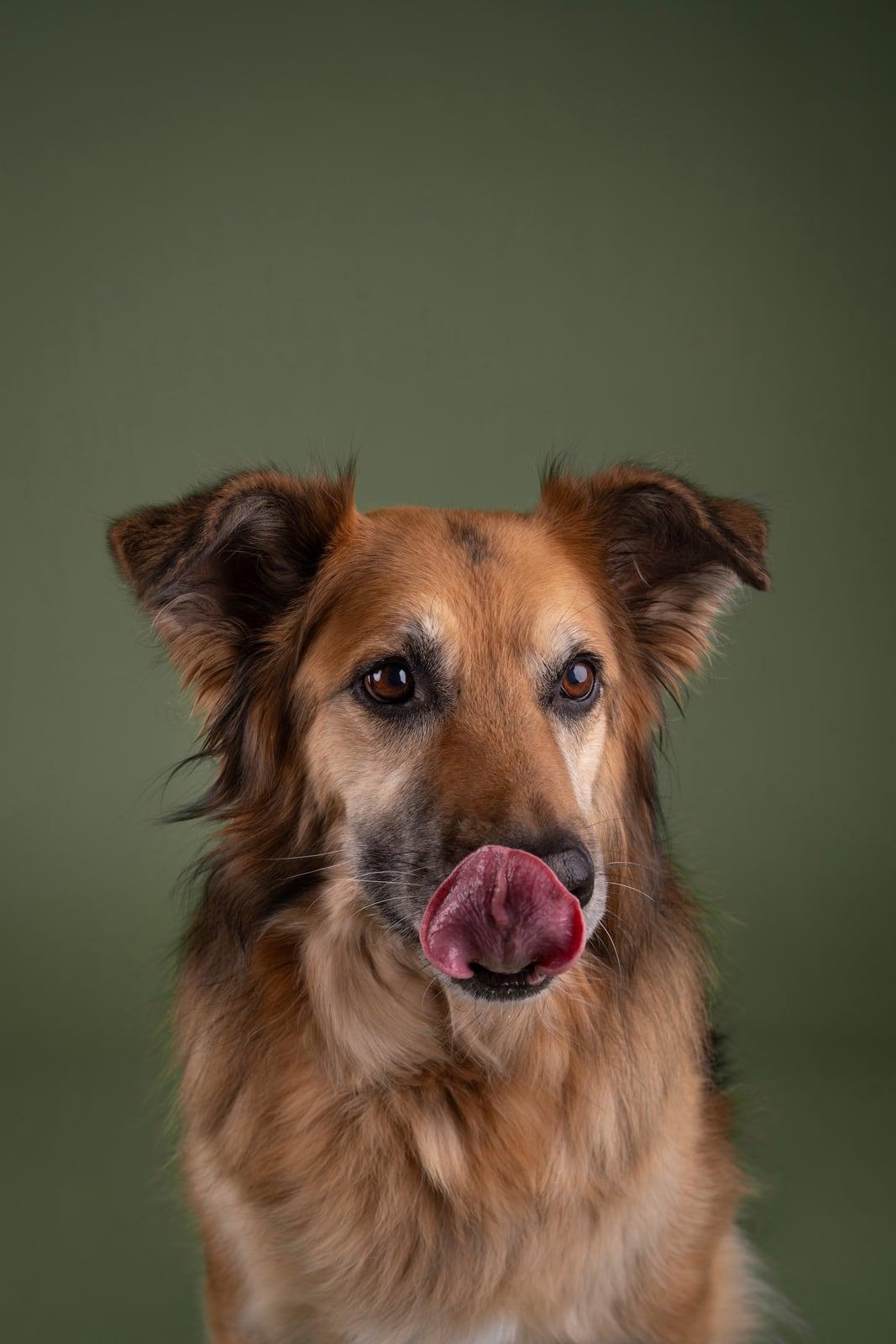
- Feeding calculatorEnter your dog's weight, age, activity and weight goal for a daily raw food amount in grams, per meal and per week, using the Kennel Club's 2–3% guide.
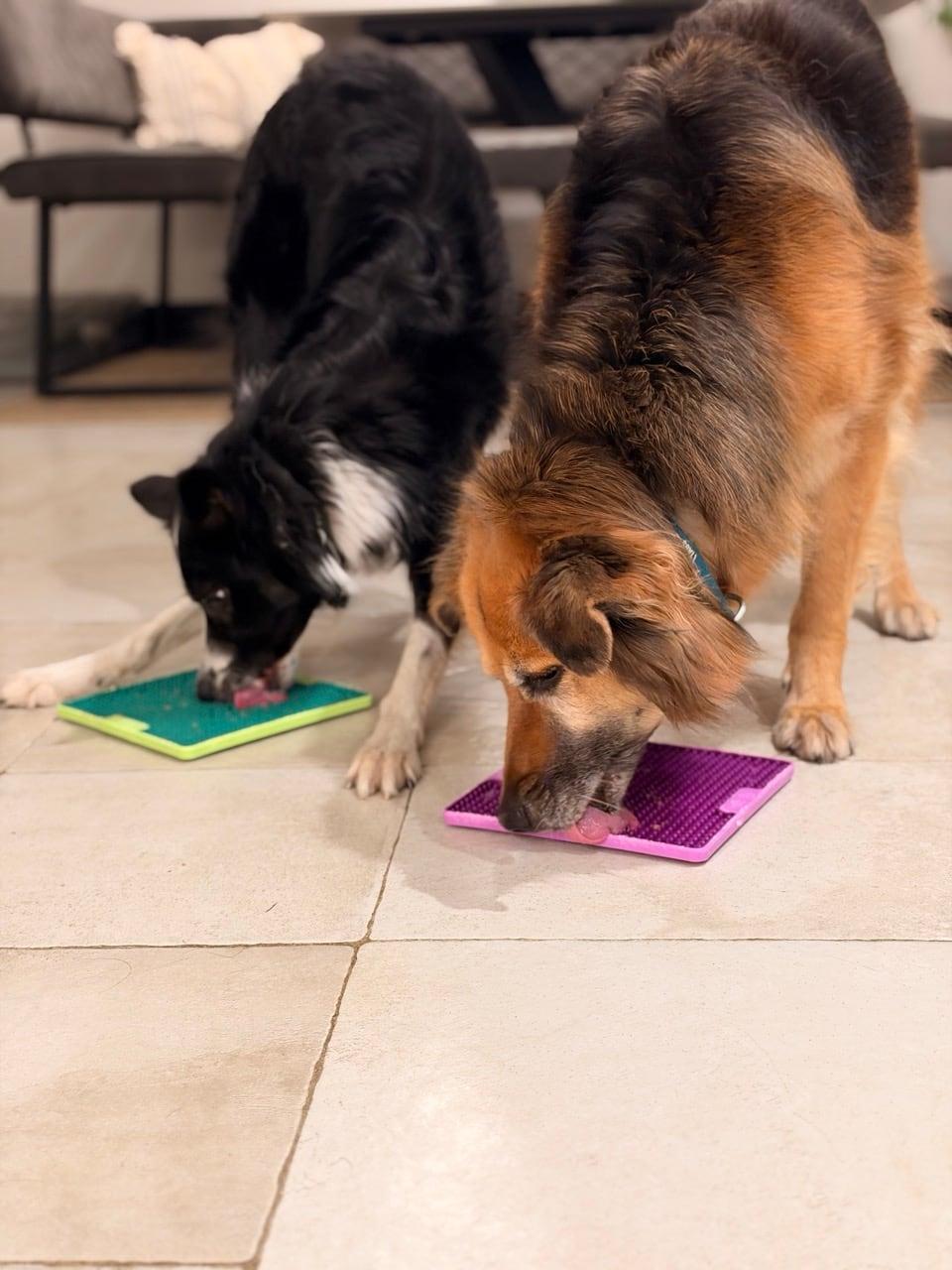
- How much to feedHow much raw food a dog needs: the 2–3% of body weight guide, adjusting for activity and weight, splitting meals and when to ask your vet.
- Our dogsWho writes this site: Chris and Steph, and their dogs Roxy and Bracken. Why we feed raw, what we tried first and how we stay independent.