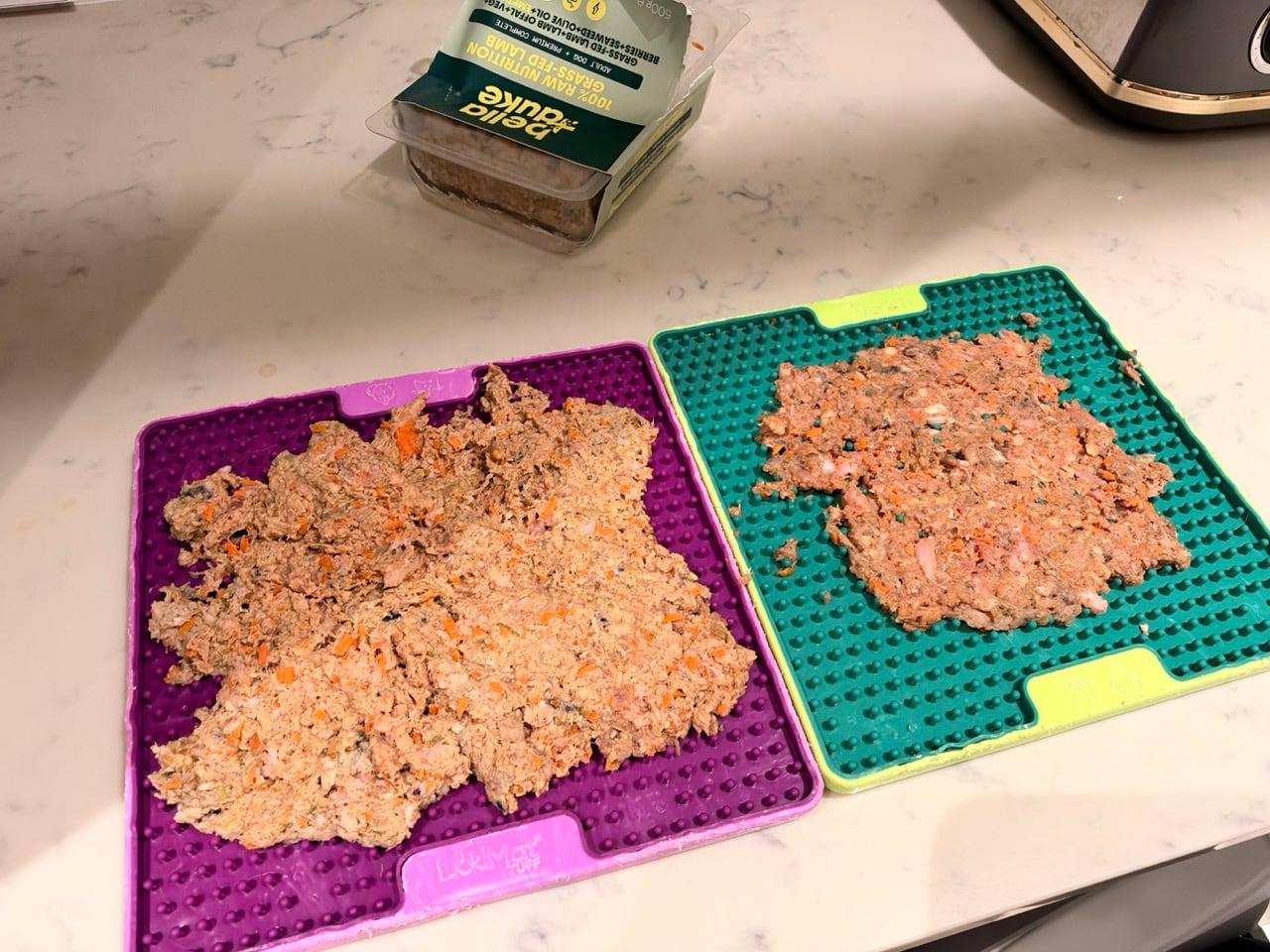
Raw feeding senior dogs: is it right for an older dog?
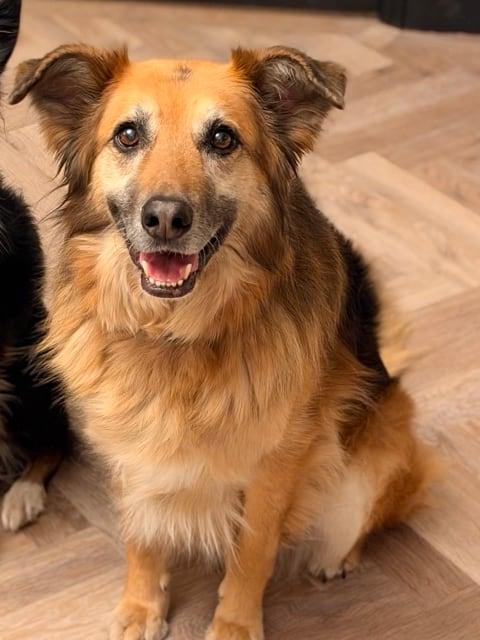
Raw feeding a senior dog can work, but older dogs need more care than young ones: a vet check first, a gentle switch, smaller portions for a slower pace and a close eye on weight. Our Roxy is 10, and she has eaten raw for about three years. This guide covers what to think about before you start.
The short answer
Raw feeding can be right for an older dog, but whether it is right for your older dog is a question for your vet. Plenty of senior dogs eat raw, and plenty start in later life. But age brings more variety between dogs than any other life stage: two ten-year-olds can have very different teeth, energy, weight and health, and the food that suits one may not suit the other.
If you and your vet decide to go ahead, the principles are simple:
- Choose a complete raw food, not a mix you balance yourself.
- Switch gradually, more slowly than you might with a young dog.
- Start portions at the lower end of the usual guide if your dog is less active.
- Weigh them regularly and adjust.
- Handle raw meat carefully, especially if your household includes anyone vulnerable.
Reasons owners consider raw for an older dog
- A fussy older eater may be keener on fresh food
- Complete raw meals are portioned by weight, which makes weight easy to manage
- Ready-made senior ranges exist, so you don't have to adapt an adult food yourself
Reasons to think carefully
- Raw meat needs careful kitchen hygiene
- Not suitable for every older dog, especially one with a health condition
- It usually costs more than dry food
- Frozen food takes freezer space
Talk to your vet first
Ask your vet before you change an older dog’s diet. The Kennel Club’s own advice on raw feeding is to speak to your vet first, and that matters most for older dogs. A vet who knows your dog can tell you whether raw makes sense and what to watch.
Mention to your vet if your dog:
- has kidney, liver or heart problems, or any other ongoing condition
- has dental problems, has had teeth removed or finds chewing difficult
- has a sensitive stomach or a history of tummy upsets
- takes regular medication
- has lost or gained weight without an obvious reason
None of those automatically rules raw out. They are just the situations where your vet’s view should come before anything you read online, including this page. A routine check-up before a change of diet is also a good time to get an accurate weight to start from.
What can change as dogs age
Every dog ages differently, so there is no single “senior diet”. These are the general changes owners commonly notice, and the reasons food sometimes needs adjusting:
- Activity. Many older dogs slow down, walk less far and sleep more. Less activity usually means less food is needed.
- Weight. Some older dogs put weight on easily; others lose it. Both are worth watching.
- Teeth. Worn, sensitive or missing teeth can change what a dog can comfortably eat or chew.
- Appetite. Some older dogs become fussier or less interested in food. A change in appetite is worth mentioning to your vet.
- Digestion. Some dogs become more sensitive to changes in food as they age, which is another reason to switch slowly.
Some brands make raw ranges aimed at older dogs; Bella & Duke, the brand we feed, has a Senior range, which we cover on our Bella & Duke Senior page. A senior range isn’t compulsory. Some older dogs carry on well on an adult complete food in a smaller portion; what matters is a complete food that your dog does well on and your vet is happy with.
Switching an older dog gently
Go slowly. A gradual switch gives an older dog’s digestion time to adjust and gives you time to spot anything that doesn’t agree with them. A common approach is to replace a small part of the old food with raw, then increase the raw share over a week or more, holding at each step if stools loosen or appetite drops.
Our guide to switching from kibble to raw sets out a step-by-step plan. For an older dog, it is sensible to take that plan at the slower end and stretch it out if you need to. Things to watch during the switch:
- Stools. Some change is normal as the diet changes. Persistent diarrhoea or straining is a reason to stop and call your vet.
- Appetite. Keen is good. Refusing food for more than a meal or two is worth a call.
- Energy. A dog who seems flat or unwell should see the vet, whatever the reason.
If your dog is switching from cooked fresh food rather than kibble, the same gradual approach applies. Our raw vs cooked dog food comparison is also worth a read if you are still deciding which kind of fresh food suits an older dog.
How much to feed an older dog
Start from the standard guide, then go lower if your dog is less active. The Kennel Club suggests adult dogs eat 2–3% of their body weight in raw food each day. For a 10 kg dog, that is 200 g to 300 g. It also notes that active dogs need to eat more, which means the reverse for a slower older dog: a quieter senior often sits nearer the lower end of the range.
Our raw feeding calculator does the sum for you. Choose “Senior” as the life stage and it nudges the daily amount slightly lower than for an adult of the same weight and activity. It then shows a per-meal amount and a weekly total, which helps when you are working out how much frozen food you need. If your older dog is still very active, tell the calculator that too: age and activity both count.
Many owners split an older dog’s daily amount into two meals, which can be easier on a smaller appetite. Our guide to how much raw food to feed covers splitting meals and adjusting portions in more detail.
Watching weight
Weigh an older dog every couple of weeks while you settle on a portion, then regularly after that. It is the simplest way to know whether the amount is right. If they are losing weight you didn’t want them to lose, feed a little more; if they are gaining, feed a little less. Treats count too.
If your dog is too big to lift onto bathroom scales, many vet practices will let you pop in and use theirs. Alongside the number, run your hands along their sides: you should be able to feel the ribs without pressing hard. A sudden change in weight either way, especially one you can’t explain by a change in food or exercise, is worth a call to your vet.
Safety and hygiene
Raw meat carries bacteria, and that is true whatever the dog’s age. The Food Standards Agency tested 380 samples (277 dog, 103 cat) of raw pet food on sale in the UK between March 2023 to February 2024 and found harmful bacteria in 35% of them, including Salmonella in 21%. The survey did not name brands.
Much of the official advice focuses on the people handling the food, so careful habits matter, especially if your household includes anyone very young, elderly, pregnant or unwell. Wash your hands after handling raw food, wash bowls after every meal, keep raw food away from human food, and defrost in the fridge. Bella & Duke, for example, says its food takes around 24 hours to defrost and keeps for up to four days once thawed; other brands give their own guidance.
Whether raw is a sensible choice for your older dog’s own health is a separate question, and one for your vet. Our guide to whether raw dog food is safe sets out what the FSA and vets say, and our guide to storing and defrosting raw food covers the kitchen routine.
Our older dog
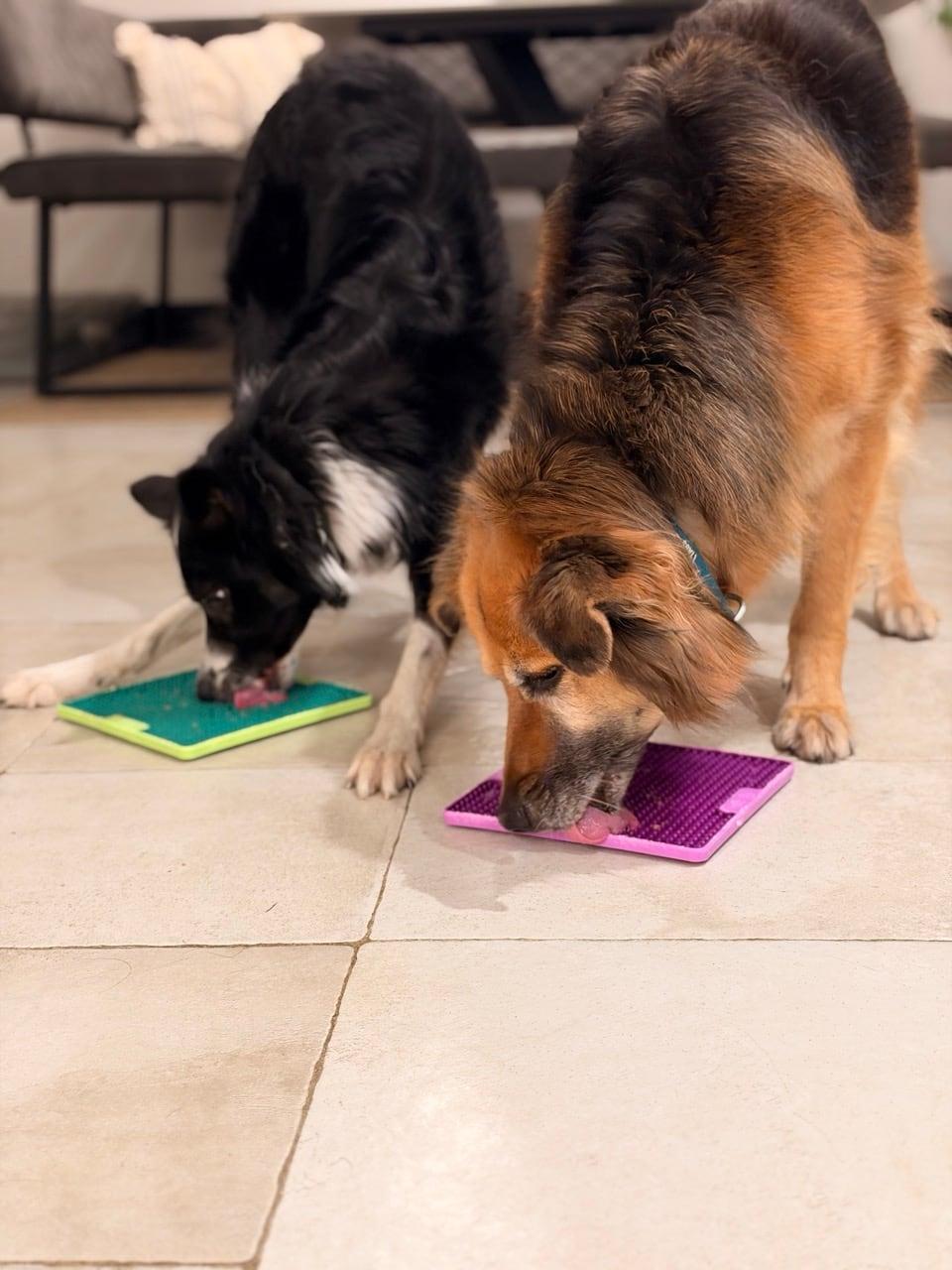
Roxy is the senior in our house. Here is what we can say first-hand, and no more.
This is what we noticed across both dogs after switching:
- Clean bowls, every mealBoth finish everything and are keen at mealtimes. No more fussing or leftovers.
- Smaller, firmer poosA noticeable change, and easier pick-ups on walks.
- Better coats and skinShinier coats and less scratching than before.
- Steadier weight, more pepEasier to keep both at a healthy weight, with plenty of energy.
This is what we noticed in our two dogs, not a promise of what any food will do for yours. A starting point, not veterinary advice. Ask your vet before changing your dog's diet, especially for puppies, pregnant or nursing dogs, or dogs with a health condition.
When to call the vet
Call your vet before you switch, and again if anything worries you along the way. In particular, get advice if your older dog:
- has diarrhoea, vomiting or straining that lasts more than a day or two
- goes off their food or seems flat
- loses or gains weight quickly
- seems to find eating or chewing uncomfortable
- has a health condition that is changing, or starts new medication
It is better to ask early. A raw diet is only a good choice if it suits your dog, and with an older dog your vet is the best person to help you judge that.
Frequently asked questions
Can you start raw feeding an older dog?
Often, yes, but ask your vet first. Older dogs vary a lot, and a dog with kidney problems, dental problems, a sensitive stomach or another condition, or one on regular medication, may need a different plan. If your vet is happy, switch gradually and watch your dog closely.
How much raw food should a senior dog eat?
The Kennel Club's guide is 2–3% of body weight a day for adult dogs, and many older, less active dogs sit nearer the lower end. Our feeding calculator nudges seniors slightly lower. Weigh your dog every couple of weeks and adjust, and check the amount with your vet.
Is raw food safe for an older dog?
Raw food carries a real hygiene risk: the Food Standards Agency found harmful bacteria in 35% of raw pet food samples it tested. Careful handling reduces the risk to people at home. Whether raw suits your older dog's health is a question for your vet.
How should I switch a senior dog to raw?
Gently. Many owners mix small amounts of raw into the old food and increase it over a week or more, watching stools, appetite and energy, and slowing down if your dog's tummy seems unsettled.
Do I need a special senior raw food?
Not always. Some older dogs do well on an adult complete food in a smaller portion; others move to a senior range when they slow down or their vet suggests it. What matters most is a complete food, a steady weight and your vet's advice.
Sources
- Royal Kennel Club: Is raw food good for dogs?
- Food Standards Agency: survey of contamination in raw dog and cat food on sale in the UK
- GOV.UK: Good hygiene when handling raw pet food emphasised in FSA survey (25 February 2026)
- Bella & Duke help: How to defrost your food
- Bella & Duke raw dog food ranges
Figures last checked 15 November 2026. If something has changed, tell us and we will correct it.
Related reading
- Senior dogsBella & Duke's Senior range and raw feeding an older dog, with our experience feeding Roxy, a 10-year-old mixed breed, and what to ask your vet first.
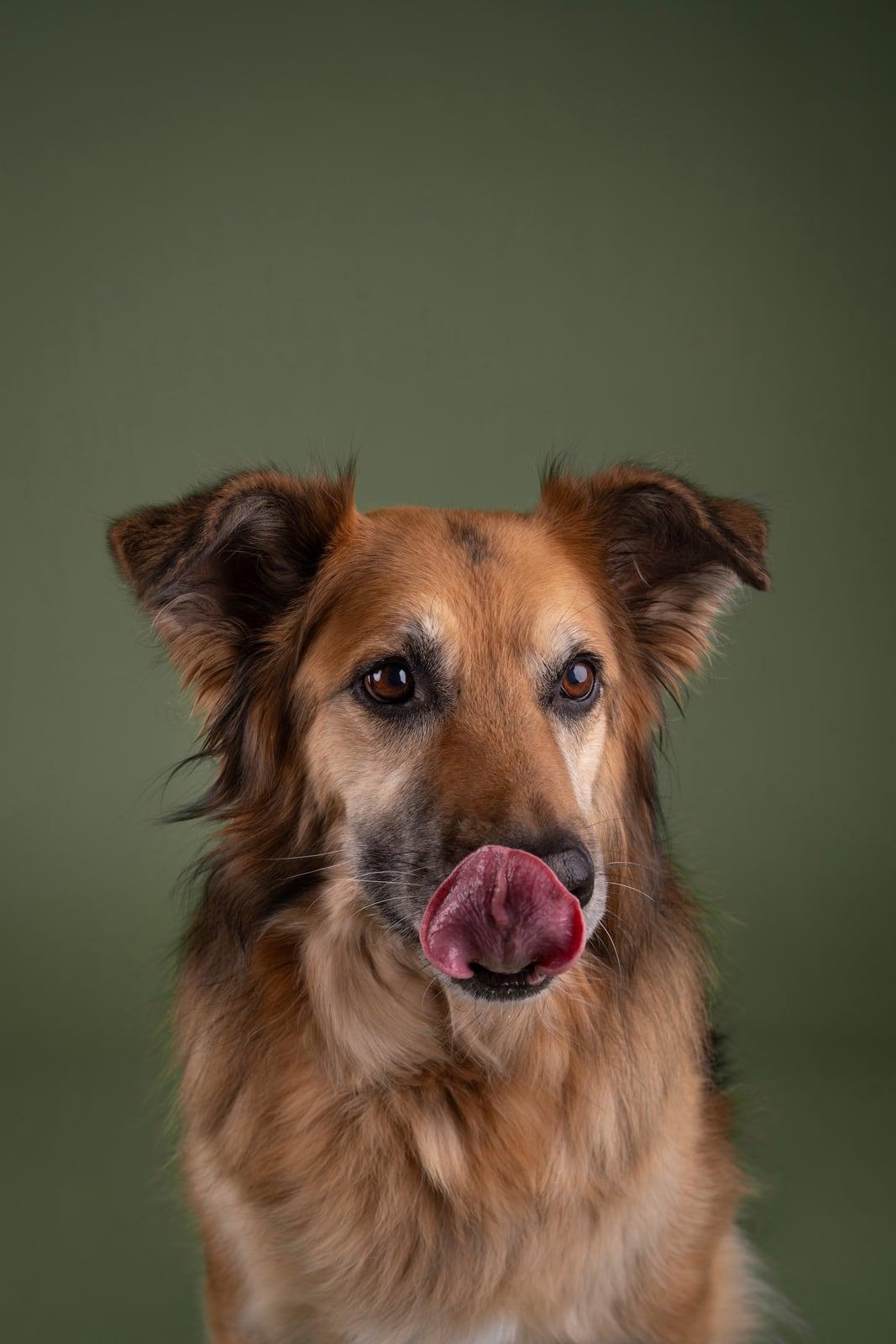
- Switching to rawHow to switch a dog from kibble to raw food: a gradual or straight switch, what to expect in the first weeks and when to slow down.
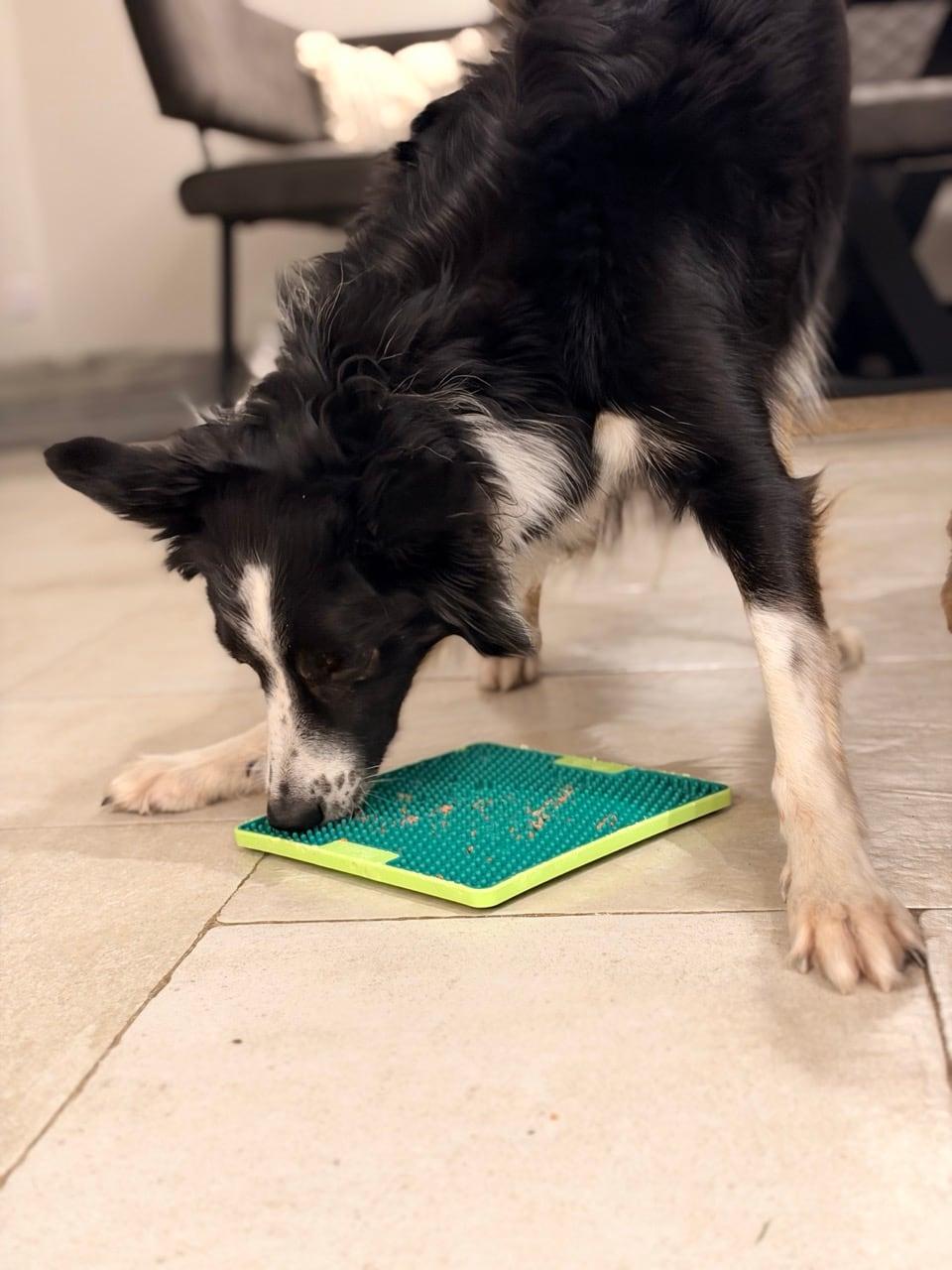
- Feeding calculatorEnter your dog's weight, age, activity and weight goal for a daily raw food amount in grams, per meal and per week, using the Kennel Club's 2–3% guide.
- Is raw safe?The honest safety picture on raw dog food: the FSA found harmful bacteria in 35% of samples, what vets say, and the handling steps that reduce the risk.