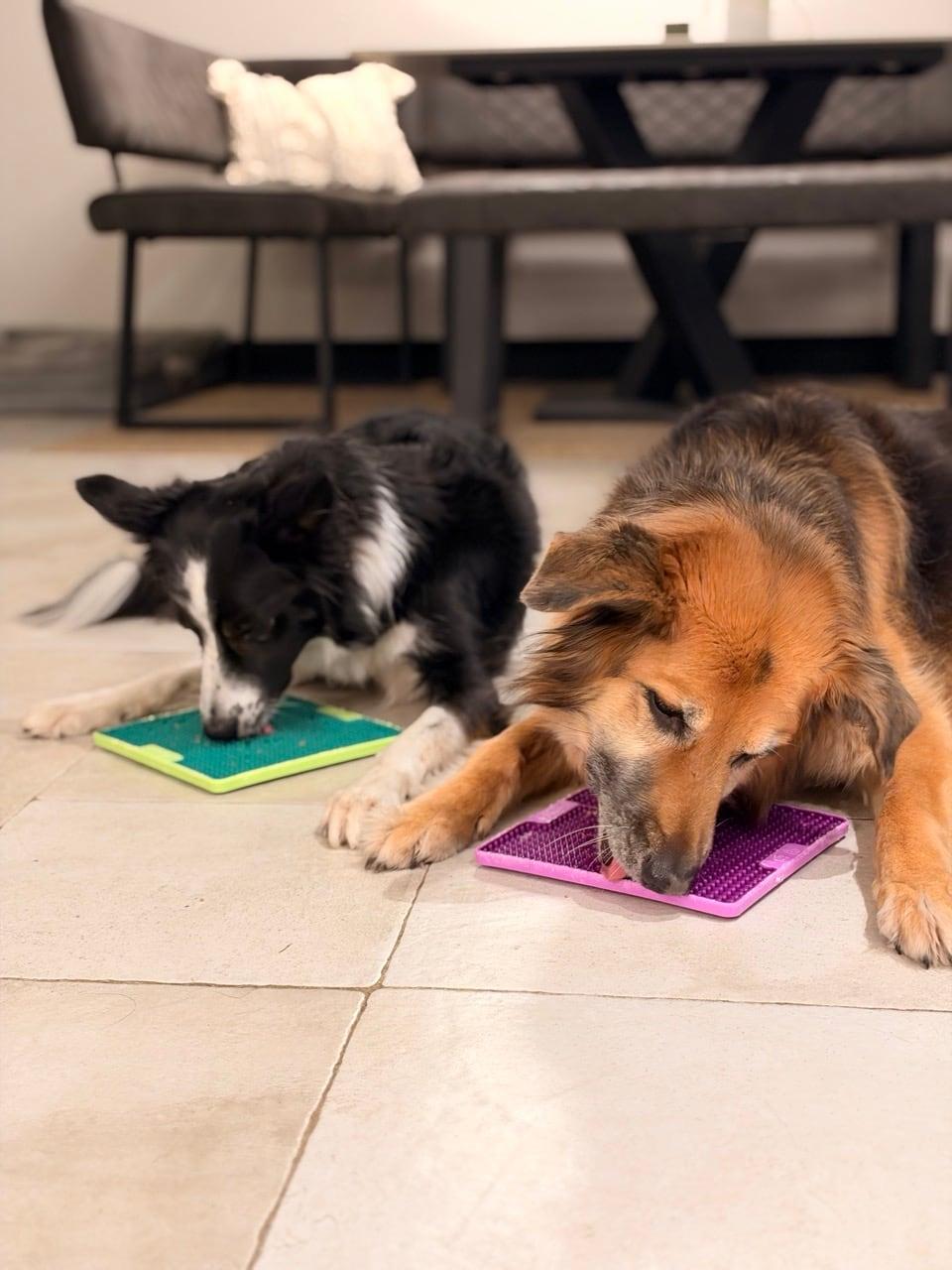
Is raw dog food safe? What the FSA and vets say
Raw dog food carries a real risk of harmful bacteria, for your dog and for the people who handle it. The Food Standards Agency found pathogens in 35% of the raw pet food samples it tested. We feed raw, and we still think you should start with that number. Here’s what the survey found, what vets’ bodies say, who should think twice and how to handle raw food carefully if you go ahead.
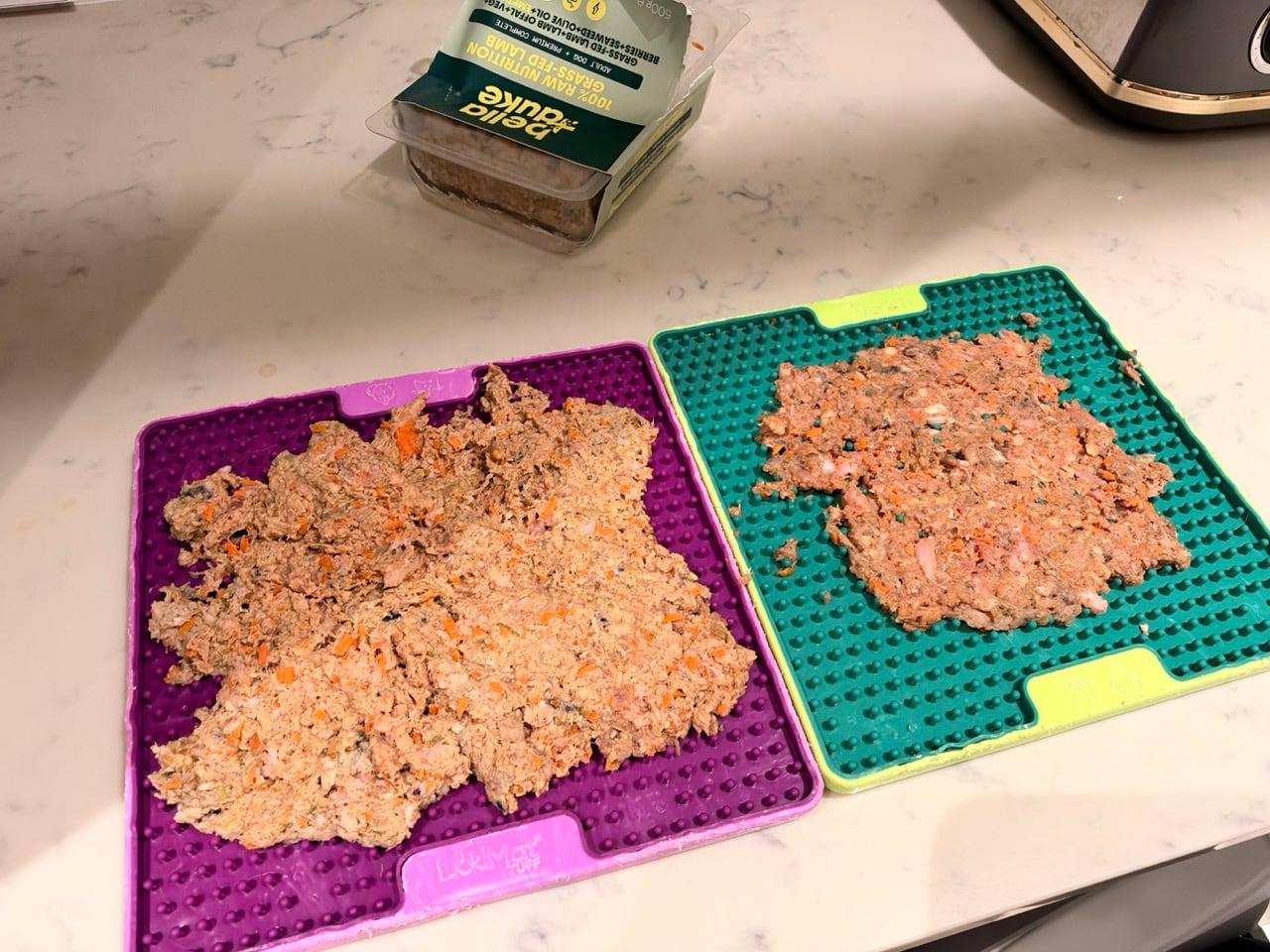
The short answer
Raw dog food is never without risk. It can carry bacteria such as Salmonella, Campylobacter and STEC, which can make dogs and people ill. Careful handling lowers the risk to your household but doesn’t remove it, and some households are better off choosing a cooked or dry food instead.
Plenty of owners, us included, decide that the risk is manageable with good kitchen habits. That’s a decision to make with your eyes open, with your vet’s input, and with the people you live with in mind. It isn’t one to make because a brand, a website or a friend says raw is wonderful.
What the Food Standards Agency found
The Food Standards Agency (FSA) bought 380 samples (277 dog, 103 cat) of raw pet food from shops and online between March 2023 to February 2024, and tested them. It found pathogenic bacteria in 35% of samples.
Two things about the survey are important to read correctly:
- It did not name brands. You can’t tell from it whether any particular food you buy was or wasn’t among the contaminated samples.
- It did not find where the bacteria came from. The results describe what was in the food on sale, not where in the supply chain the contamination happened.
The practical upshot is that you should handle every raw food as if it might carry harmful bacteria, whichever brand you choose. The government’s note to vets about the survey, published on 25 February 2026, put the emphasis on good hygiene when handling raw pet food, and that’s the focus of the checklist below.
What vets’ bodies say
Vets’ bodies are cautious about raw feeding, mainly because of bacteria and the risk to the people handling the food. Read their guidance yourself before you decide; it’s short and plainly written.
- The British Veterinary Association sets out its position in its policy on diet choices for cats and dogs, and answers the question head-on in a blog, “Is it safe or advisable to feed my dog or cat a raw meat-based diet?”. The policy says every animal must be fed a diet that meets its nutritional needs and discusses the health risks of raw meat. The blog explains how raw pet food is sourced and handled, and why, because it isn’t cooked, bacteria such as E. coli, Salmonella and Campylobacter aren’t killed off. Both are worth reading in full rather than through anyone’s summary, including ours.
- The Royal Kennel Club gives a balanced overview in “Is raw food good for dogs?”. It discusses the risks alongside the reasons owners choose raw, gives a feeding guide of 2% to 3% of body weight a day (our guide to how much raw food to feed works through it), and tells owners to speak to your vet first.
Your own vet knows your dog and your household, which none of these sources do. If they’re not keen on raw for your dog, take that seriously and ask why.
Who should think twice about raw feeding
As a general precaution, households with young children, older people, anyone pregnant or anyone with a weakened immune system should think carefully before feeding raw. These are the people most vulnerable to the bacteria raw meat can carry, and dogs fed raw can pass bacteria on through saliva, licks and poo as well as through the food itself.
- Young children crawl on floors, put hands in mouths, share faces with the dog and find bowls irresistible.
- Older people, pregnant people and anyone immunocompromised (for example during cancer treatment, or with certain medical conditions or medicines) can be more seriously affected by food-borne bacteria.
- Some dogs may not suit raw either, for example dogs with certain health conditions or on some treatments. Puppies need a puppy-specific complete food; our guide to raw feeding puppies explains why.
If that describes your household, it doesn’t automatically rule raw out, but it should weigh heavily, and it’s worth talking to your vet and, if a person at home is vulnerable, their GP. A gently cooked food can be a sensible middle ground (see below).
Questions to ask before you decide
Before you choose raw, it’s worth being honest with yourself about your household and your habits. Raw feeding is safest in homes that can keep to careful hygiene every single day, not just when they remember.
- Who lives here, and who visits? Think about babies, toddlers, grandparents, anyone pregnant and anyone with a health condition or on treatment that affects their immune system.
- Can you keep raw food apart? You need freezer and fridge space where dog food can sit separately from food for people.
- Will everyone follow the routine? Hand-washing and bowl-washing only work if everyone who feeds the dog does them, including children old enough to help and anyone dog-sitting.
- Where does your dog eat and sleep? Dogs that lick faces, share sofas and beds or eat in a busy family kitchen bring the bacteria question closer to the people in the house.
- What does your vet think? Your vet can weigh up your dog’s health, age and any medication, which a general guide can’t.
If the answers make you uneasy, that’s useful information, not a failure. Plenty of dogs do well on cooked or dry food, and choosing one of those is a responsible decision.
A practical hygiene checklist
Handle raw dog food exactly as you’d handle raw meat for your own meals: keep it cold, keep it separate and clean up thoroughly. Food Standards Scotland’s raw pet food advice covers the same ground. These are the general steps:
- Keep it frozen until you need it, and put deliveries straight into the freezer.
- Defrost in the fridge, never on the worktop. Keep it covered, on the bottom shelf, below and away from food for people. Bella & Duke, for example, says its food takes around 24 hours to defrost this way and keeps for up to four days once defrosted; check your own brand’s guidance.
- Keep it separate from human food, and use separate utensils, chopping boards and storage containers if you portion it.
- Wash your hands with soap and hot water after handling raw food, bowls, toys covered in raw food, or poo.
- Wash bowls after every meal in hot soapy water or the dishwasher, and clean surfaces, sinks and utensils that the food has touched.
- Pick up uneaten food rather than leaving it out, and throw away food that has been sitting around.
- Pick up poo promptly in the garden and on walks, and wash your hands afterwards.
- Keep children away from the bowl, the prep area and the dog while it eats.
Our guide to storing and defrosting raw food goes into freezer space and defrosting in more detail. If you’re just starting out, our guide to switching from kibble to raw builds these habits into the first week.
Choosing a raw food producer
No producer can promise that raw meat is free of bacteria, so treat any claim that sounds like that with suspicion. What you can do is choose a producer that is open about how it makes, tests and delivers its food, and then handle it carefully at home.
- Ask about testing. A good producer will tell you what it tests for and how often.
- Check how it arrives. Food should arrive frozen and properly insulated. If it turns up warm, contact the producer rather than feeding it.
- Choose a complete food for main meals unless you know what you’re doing. Some raw products are complementary, meaning they aren’t balanced to be fed alone.
- Read the handling advice on the producer’s site and packaging, and follow it.
Our best raw dog food UK comparison covers the main brands, their formats and who each one suits.
The cooked alternative
If handling raw meat at home doesn’t sit right with your household, a gently cooked fresh food is the obvious alternative. You still get a fresh-style food, without raw meat in your kitchen.
Bella & Duke itself has no cooked range: the food contains bone and should not be cooked, so it isn’t the answer if you want cooked food. Butternut Box, for example, makes fresh, gently cooked meals, and it’s one of the foods we tried before Bella & Duke. Our raw vs cooked dog food guide compares the two honestly, and our raw vs kibble guide covers the cheapest and easiest option to store. Any food still needs clean bowls and clean hands; cooked just takes raw meat out of the picture.
Our view
A starting point, not veterinary advice. Ask your vet before changing your dog's diet, especially for puppies, pregnant or nursing dogs, or dogs with a health condition.
Frequently asked questions
Is raw dog food safe?
Raw dog food carries a real risk of harmful bacteria. A Food Standards Agency survey of 380 samples (277 dog, 103 cat) bought between March 2023 to February 2024 found pathogens in 35%. Careful handling reduces the risk to your household, but does not remove it, so speak to your vet and decide whether raw suits your dog and your home.
What bacteria did the FSA find in raw pet food?
Salmonella in 21% of samples, Campylobacter in 14% and Shiga toxin-producing E. coli (STEC) in 12%. The survey did not name brands.
Which brands did the FSA survey find contaminated?
The survey did not name brands, and it did not identify where the contamination came from. It covered raw dog and cat food bought from shops and online, so its findings are a reason for good hygiene with any raw food.
Is raw dog food safe if I have young children?
Households with young children, older people, pregnant people or anyone with a weakened immune system should think carefully before raw feeding, because these groups can be more vulnerable to the bacteria raw meat can carry. Talk to your vet, and your GP if anyone in the household is vulnerable.
How do I handle raw dog food safely?
Keep it frozen until needed, defrost it covered in the fridge, keep it apart from food for people, wash bowls, surfaces and utensils after use, and wash your hands with soap and hot water after handling raw food, bowls or poo.
Is cooked fresh dog food safer than raw?
Gently cooked fresh food avoids handling raw meat at home, which many owners find reassuring, especially in households with young children or vulnerable people. Any food still needs normal kitchen hygiene. Our raw vs cooked guide compares the two.
Sources
- Food Standards Agency: survey of contamination in raw dog and cat food on sale in the UK
- GOV.UK: Good hygiene when handling raw pet food emphasised in FSA survey (25 February 2026)
- Royal Kennel Club: Is raw food good for dogs?
- Bella & Duke help: How to defrost your food
- Bella & Duke raw dog food ranges
- British Veterinary Association: Diet choices for cats and dogs
- British Veterinary Association: Is it safe or advisable to feed my dog or cat a raw meat-based diet?
- Food Standards Scotland: Raw pet food
- Butternut Box
Figures last checked 15 November 2026. If something has changed, tell us and we will correct it.
Related reading
- Raw vs cookedRaw against gently cooked dog food: what differs, handling and safety, cost and convenience, and why we chose raw after trying both.
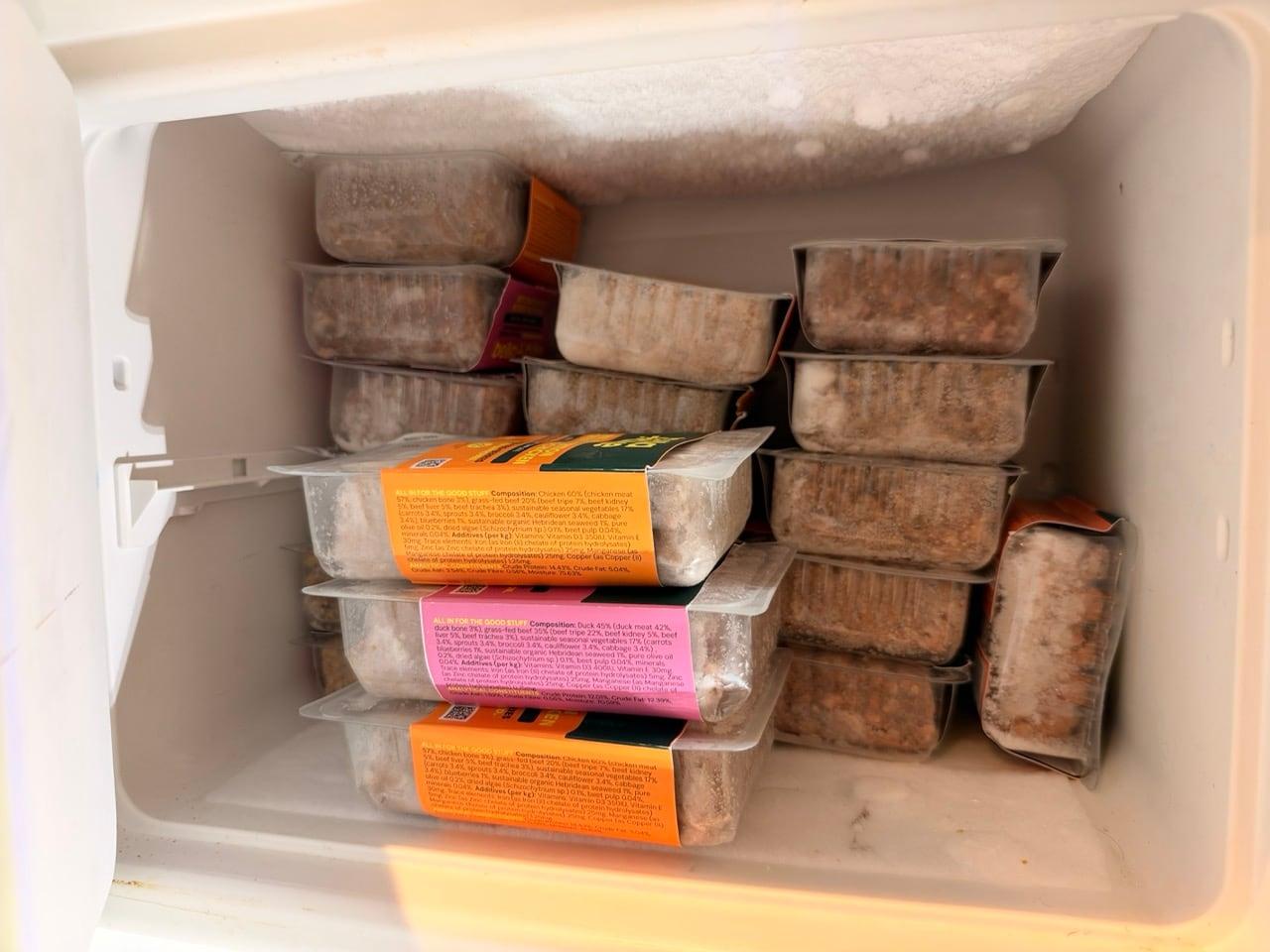
- Storage and defrostingHow to store and defrost raw dog food: freezer space, defrosting in the fridge, how long it keeps and the kitchen hygiene that matters.
- Switching to rawHow to switch a dog from kibble to raw food: a gradual or straight switch, what to expect in the first weeks and when to slow down.
- Best raw dog food UKThe main UK raw dog food brands compared on format, subscription, offers and who they suit, from a household that has fed raw for three years.