Bella & Duke treats and chews: what our dogs actually get
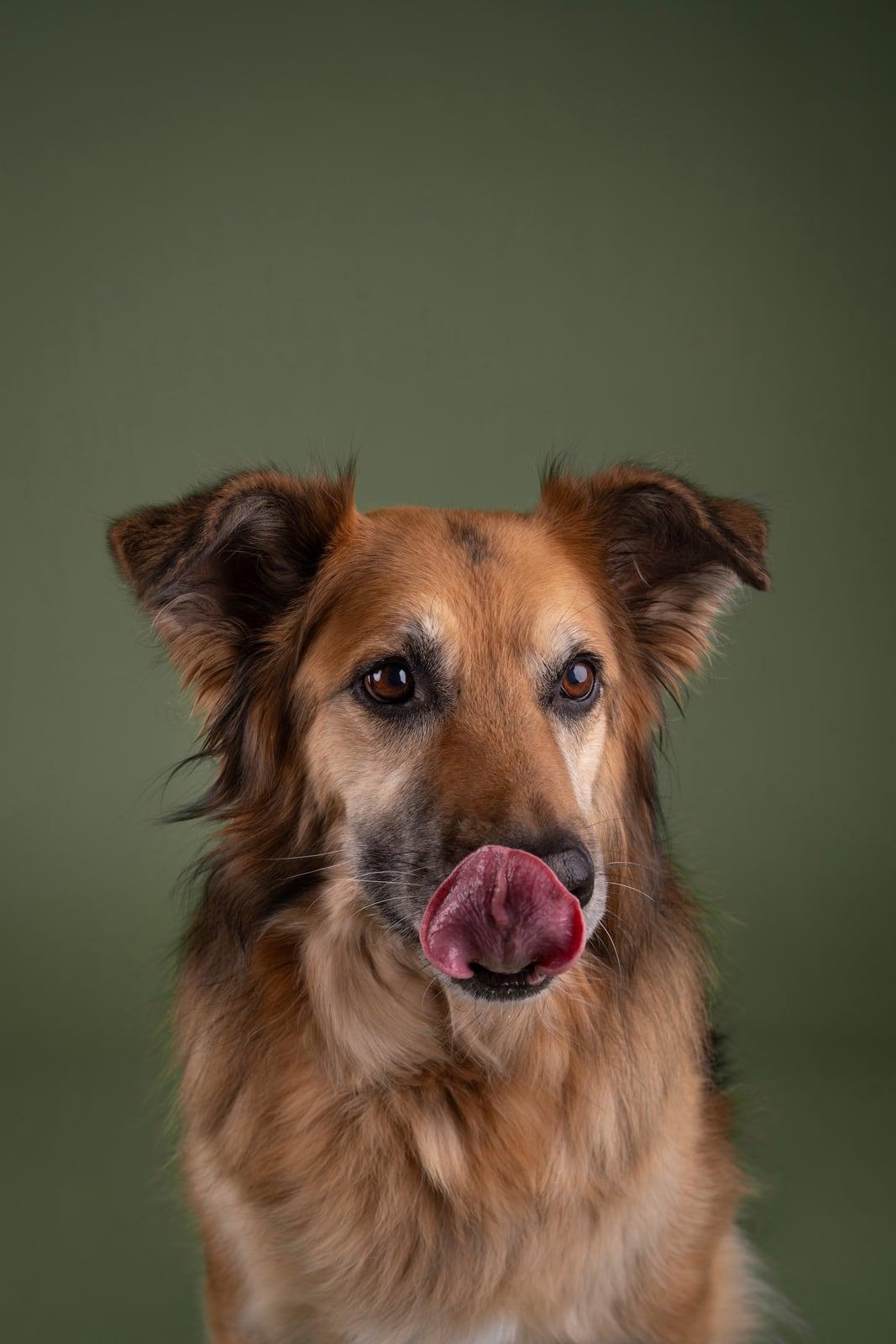
Alongside its raw meals, Bella & Duke sells chews and treats such as Venison Snack, Beef Trachea, Salmon Bites, Lamb Bites and Turkey Sausages, plus bone broths. Our two dogs, Roxy and Bracken, have had Bella & Duke treats and chews for about three years. Here is what is in the range, how treats fit around a raw diet without the weight creeping up, and one thing the friend discount doesn’t cover.

What’s in the Bella & Duke treats range?
Bella & Duke’s treats range is a mix of chews, bite-sized treats and bone broths, sold alongside its raw meals. When we checked its treats page, the named products included:
- Venison Snack
- Beef Trachea
- Salmon Bites
- Lamb Bites
- Turkey Sausages
- Lamb Bone Broth (a bone broth)
The line-up can change, so check Bella & Duke’s treats page for what is in stock now and for each product’s ingredients, feeding guide and storage instructions. We haven’t copied those details here because they can change between our checks.
You don’t need Bella & Duke’s treats to feed its raw meals: they are optional extras. For what we think of the meals themselves, see our full Bella & Duke review.
What our dogs get
Treats and chews have been part of Roxy and Bracken’s routine for as long as they’ve been on raw. Here is what we can say first-hand.
This is what we noticed in our two dogs, not a promise of what any food will do for yours.
Our two dogs are at opposite ends of life, so their treats needn’t be the same. A busy young dog may get through more as training rewards on long days out; an older dog may need something softer. Our pages on Bella & Duke for senior dogs and the Bella & Duke Working Dog range cover feeding each in more depth.
Treats count towards the day’s food
Yes, treats count. The common advice from vets and feeding guides is to treat them as part of your dog’s daily food, not as something on top. A handful of treats every day adds up, and on a raw diet, where portions are worked out by weight, it is easy to overshoot without noticing.
The Kennel Club’s guide is 2–3% of body weight in raw food a day for adult dogs. Our raw feeding calculator turns that into grams for your dog, and it says it plainly: treats count too. In practice that means:
- Trim the meal on heavy treat days. If your dog has had a lot of training rewards or a big chew, take a little off dinner.
- Break treats up. Smaller pieces go further as rewards.
- Weigh your dog every couple of weeks. If their weight creeps up, cut back on treats before you cut their meals.
- Count chews and broths too. Long-lasting chews and broth poured over food are still food.
Our guide to how much raw food to feed covers adjusting portions in more detail.
Choosing chews safely
Pick a chew that suits your dog’s size, age and chewing style, and stay with them while they eat it. That is the common-sense advice for any chew, from any brand:
- Size it right. A chew that is too small can be swallowed whole by a big dog; one that is too hard can be too much for a small or older dog.
- Supervise. Take it away if it gets small enough to swallow.
- Think about teeth. Older dogs can have worn, sensitive or missing teeth. If you are unsure what is safe for your dog’s mouth, ask your vet.
- Introduce one new treat at a time. If your dog has a sensitive stomach, that makes it easier to tell what agrees with them.
- Leave fresh water out. Especially with chewier treats.
If anyone in your home handles raw meat, the same kitchen habits apply to treat time: wash your hands after handling food and keep bowls clean. The Food Standards Agency found harmful bacteria in 35% of raw pet food samples it tested on sale in the UK. That survey was about raw food rather than treats and did not name brands, but it is a good reason for careful habits all round. Our guide to whether raw dog food is safe has the details.
Why add treats from the same brand
- Easy to add alongside a food order
- Named meats (venison, beef, salmon, lamb, turkey), so you can see the main protein at a glance
- Handy as training rewards
What to weigh up
- Charged at the normal price: the friend discount doesn't cover them
- They add to the day's food, so meals may need trimming
- Some chews may not suit older dogs' teeth
Treats for puppies, older dogs and busy dogs
The right treat depends on the dog. A chew that keeps a young border collie busy for half an hour could be too hard for an older dog, and too much for a puppy’s tummy. Here is how we would think about it for each stage.
- Puppies. Check each product’s pack for any age guidance before giving it to a puppy, introduce one new thing at a time, and keep treats small: a puppy’s daily food is easy to overshoot during training. Puppy diets are a vet conversation anyway, and our guide to raw feeding puppies covers why.
- Older dogs. Softer, smaller treats may suit an older mouth better than hard chews. An older dog that is less active can also put on weight from treats more easily, so count them carefully and keep an eye on the scales.
- Busy, active dogs. Active dogs often get through a lot of training and recall rewards. Break treats small so they go further, and trim meals on days with lots of rewards. Our guide to raw feeding border collies and active dogs covers treats around exercise.
- Dogs with sensitive stomachs. Pick treats where the main protein is easy to see from the name, introduce one at a time and give it a few days before trying another. If your dog has a diagnosed allergy or intolerance, check the full ingredients and ask your vet.
Whatever the stage, a treat is a treat: a small, occasional part of the diet, with the complete meals doing the real work.
Storing treats
Follow the storage instructions on each pack. Treats and chews are not all stored the same way as the frozen meals, so check before you put them away, and note any “use within” date once a pack is opened. Keep them out of reach: a determined dog can get into a cupboard, and a whole bag of treats in one go is not a good day for anyone.
If your freezer is already full of raw meals, which is the one downside we’ve found with frozen food, it is worth checking how each treat is stored before you order a lot at once.
Bone broths
Bella & Duke sells bone broths as well as solid treats; Lamb Bone Broth is one named on its treats page. Many owners pour a little broth over a meal for a fussy eater or as a bit of interest. How to serve and store it is on the pack, so follow that, and count it as part of the day’s food like any other extra.
We make no claims for what broth does for a dog. If Bella & Duke describes a benefit on its product page, that is its claim, not ours.
Care products and claims
Bella & Duke’s treats page also sits alongside a range of care products. We don’t review those here. Where a product is sold with a benefit in its name or strap-line, such as joint support or calming (common examples across the pet industry), that is how Bella & Duke sells it, not something we have checked or can promise.
If you are thinking about any supplement for your dog, ask your vet first, especially if your dog is older, has a health condition or takes medication. A vet can tell you whether it is worth trying and whether it might interact with anything else.
Treats and the friend discount
The friend discount doesn’t cover treats. Our friend code gives 40% off your first two boxes, then 20% off the third, but only on frozen food on your first three orders only. Treats, chews and other extras are charged at the normal price, even if you add them to a discounted box. It also can’t be combined with another offer: it cannot be combined with any other offer.
So if you are trying Bella & Duke for the first time, you may want to keep the first boxes to food and add treats later, once you know how your dog takes to raw. The code, the caps and who qualifies are on our Bella & Duke discount code page.
New UK customers only: your household must never have had a Bella & Duke account or delivery. Frozen food on your first three orders only, and it can't be combined with another offer.
Frequently asked questions
What treats does Bella & Duke sell?
Bella & Duke sells chews and treats such as Venison Snack, Beef Trachea, Salmon Bites, Lamb Bites and Turkey Sausages, plus bone broths. The range changes, so check its treats page for what is in stock.
Does the Bella & Duke friend discount apply to treats?
No. The friend discount covers frozen food on your first three orders only. Treats and extras are charged at the normal price.
Do treats count towards my dog's daily food?
Yes. The common advice is to count treats as part of the day's food and trim meals a little on days with lots of treats. Weigh your dog every couple of weeks and adjust if their weight creeps up.
Which Bella & Duke treats do your dogs eat?
Roxy and Bracken have had Bella & Duke treats and chews alongside their raw complete meals for about three years. We will add their favourites to this page.
Are chews safe for older dogs?
It depends on the dog. Older dogs can have worn, sensitive or missing teeth, so a hard chew may not suit them. Choose something sized for your dog, supervise chewing and ask your vet if you are unsure.
Can puppies have Bella & Duke treats?
Check each pack for any age guidance first, introduce one new treat at a time and keep pieces small, because training rewards add up quickly. Puppy diets are worth discussing with your vet.
Sources
- Bella & Duke dog treats and care
- Bella & Duke referral offer page
- Royal Kennel Club: Is raw food good for dogs?
- Food Standards Agency: survey of contamination in raw dog and cat food on sale in the UK
- Bella & Duke terms and conditions
Figures last checked 15 November 2026. If something has changed, tell us and we will correct it.
Related reading
- ReviewA first-hand Bella & Duke review from a UK two-dog home: what changed after switching from Tails.com and Butternut Box, the price, freezer space and who it suits.
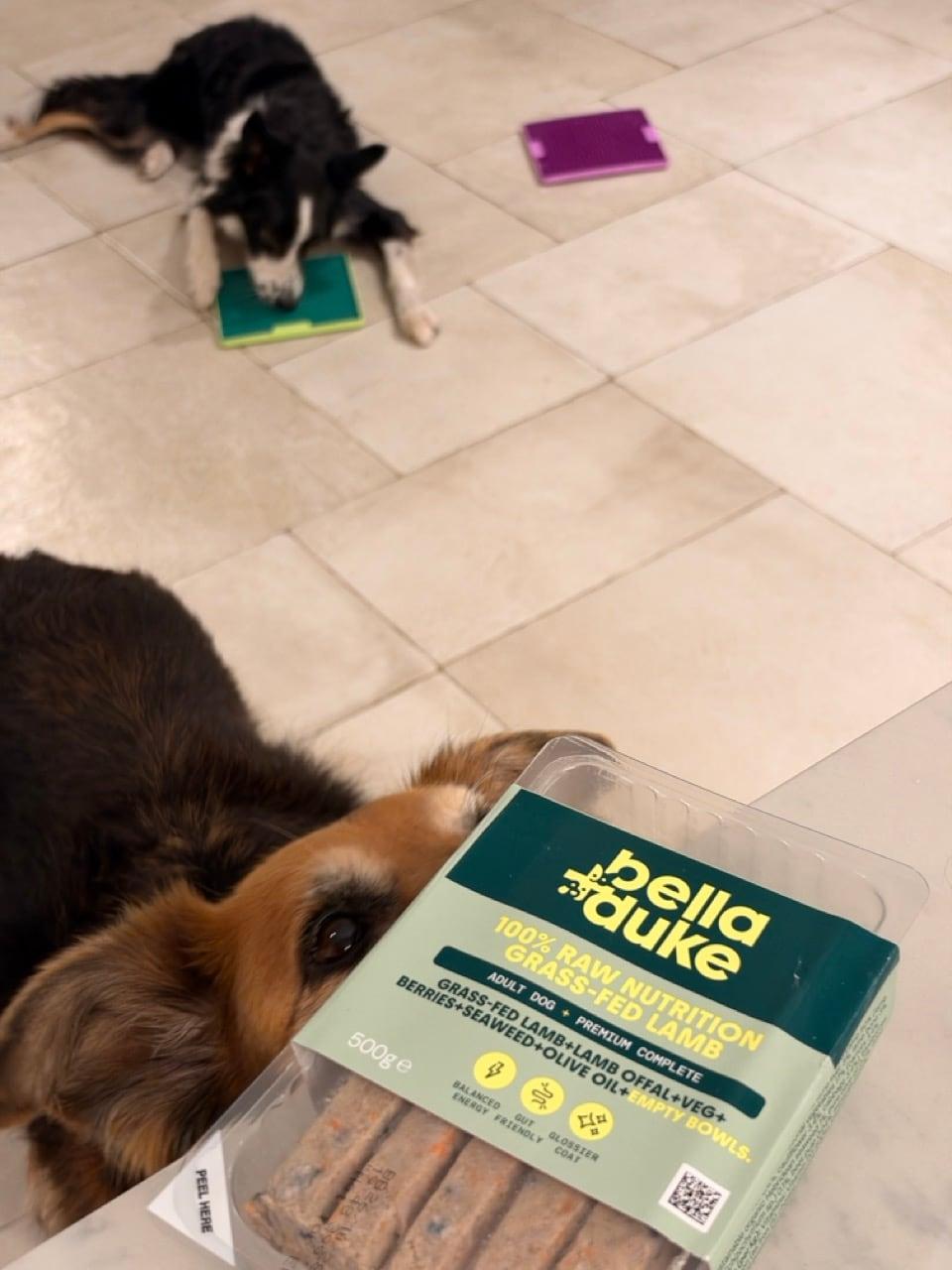
- Feeding calculatorEnter your dog's weight, age, activity and weight goal for a daily raw food amount in grams, per meal and per week, using the Kennel Club's 2–3% guide.
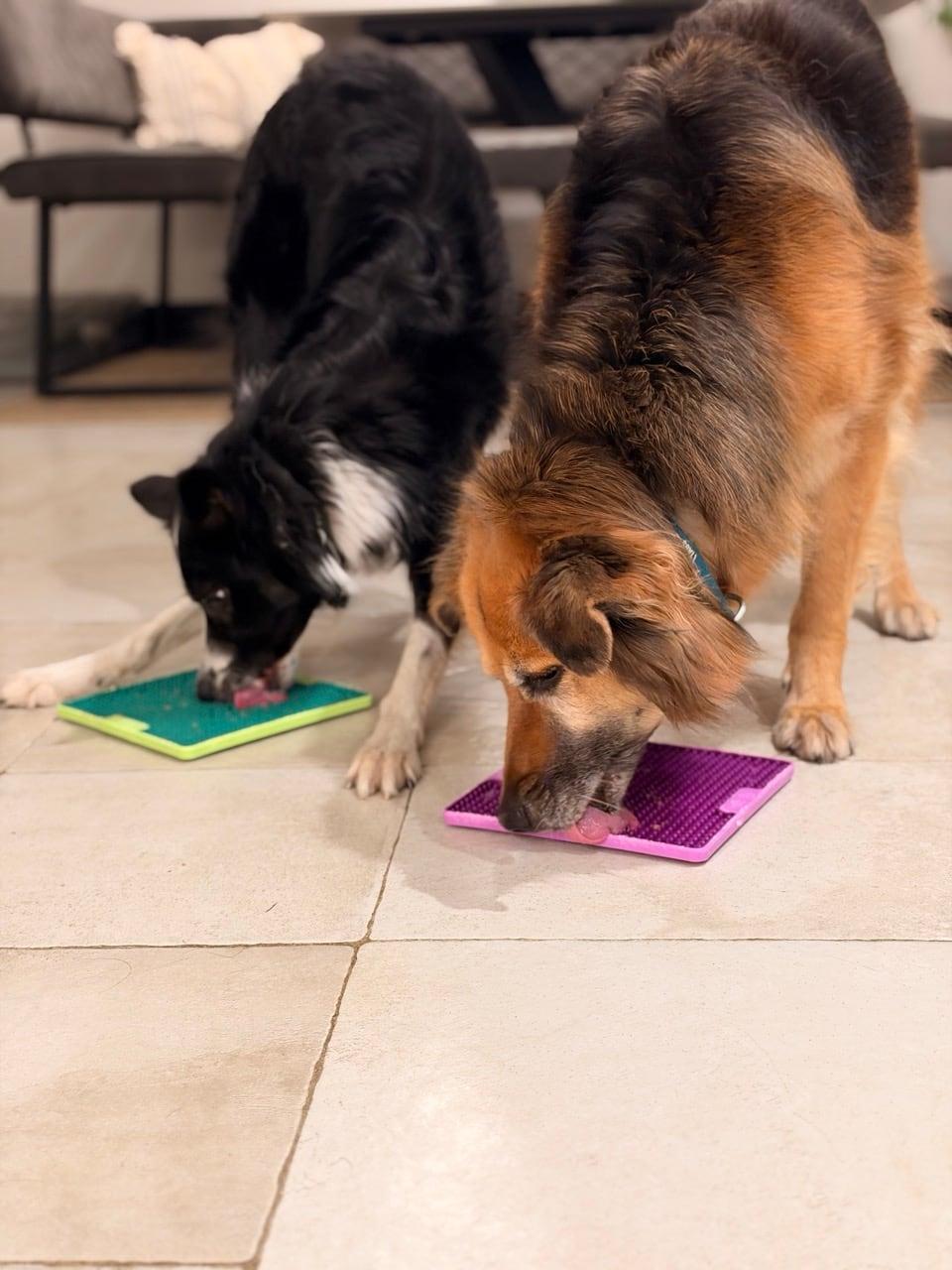
- Discount codeOur Bella & Duke friend code gives 40% off your first two boxes and 20% off the third. The caps per box, who can use it and why a code sometimes fails.
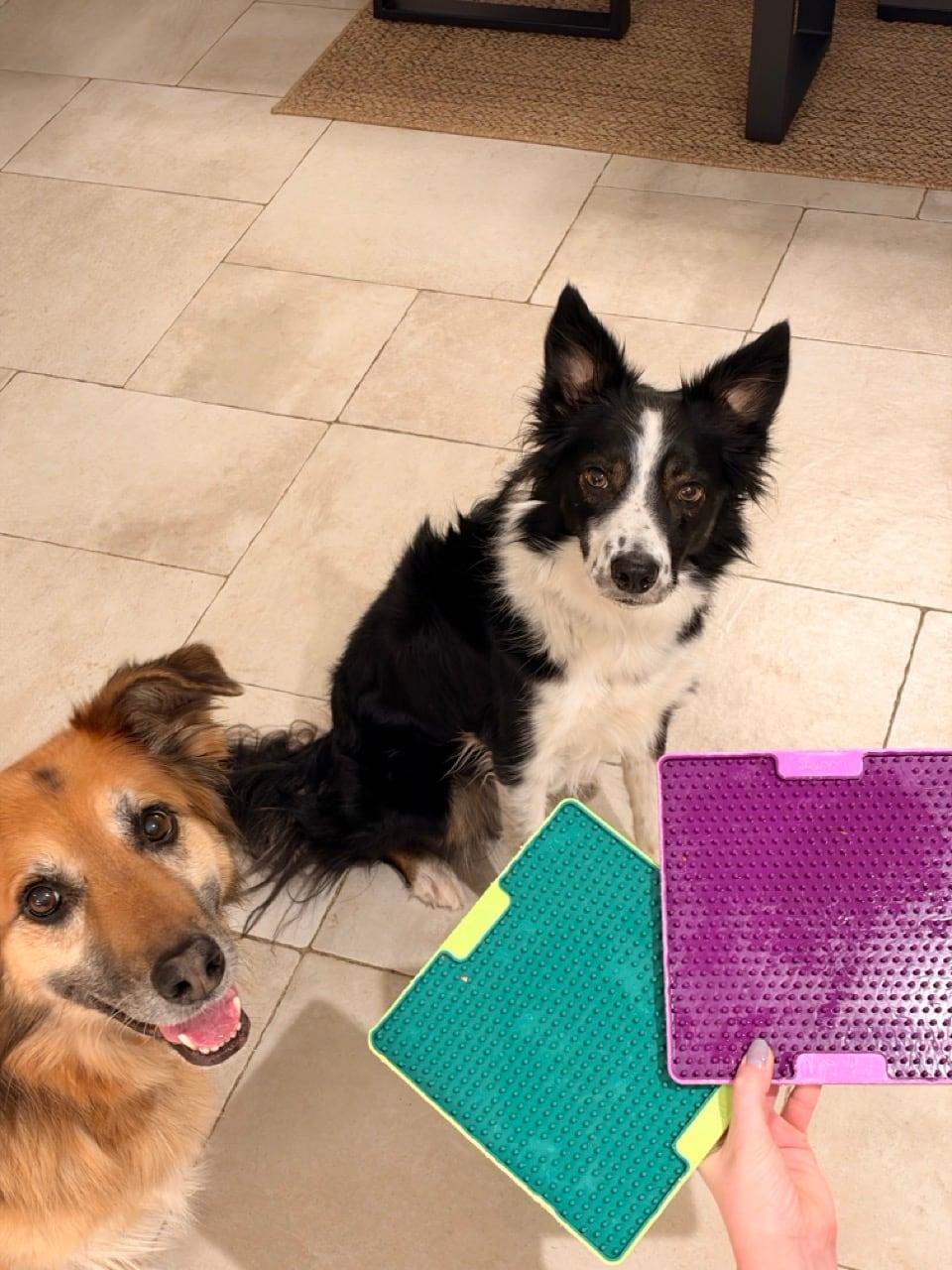
- How much to feedHow much raw food a dog needs: the 2–3% of body weight guide, adjusting for activity and weight, splitting meals and when to ask your vet.