Raw vs kibble: the honest pros and cons for UK dog owners
Kibble is cheaper, easier to store and involves no raw meat. Raw is fresher, but costs more and needs freezer space and careful handling. Our household has fed both. Here’s the honest comparison, including where kibble wins.
The short answer
If cost, storage and convenience matter most, kibble wins, and a good complete kibble is a perfectly reasonable way to feed a dog. If you can afford it, have the freezer space and are happy handling raw meat safely, raw is worth considering. Our household moved from kibble to raw in the end, but that was our household’s choice, not the right answer for everyone.
| Feature | Rawe.g. Bella & Duke | Kibblee.g. Tails.com |
|---|---|---|
| Advertised starting priceDifferent reference dogs, so not like-for-like | From £1.18 a day (Bella & Duke, for a 5–10 kg, 4-year-old dog on Adult Premium Complete with an 8 kg delivery) | From 62p a day (reported; check their site) (Tails.com) |
| Storage | Freezer; smallest Bella & Duke box is 4 kg | A cool, dry cupboard |
| Preparation | Defrost in the fridge, around 24 hours | Scoop and serve |
| Once opened or defrosted | Keeps in the fridge for up to four days (Bella & Duke) | Follow the bag's guidance; keep it sealed |
| Handling | Raw-meat hygiene at every meal | No raw meat; wash bowls as normal |
| Safety picture | The FSA found harmful bacteria in 35% of raw pet food samples | No raw-meat handling risk |
| Travel and kennels | Needs a freezer or cool box | Easy to pack |
Brand figures from Bella & Duke’s and Tails.com’s sites, checked on 15 November 2026. “Reported” means we couldn’t confirm it on the brand’s own page.
What’s different in the bowl
Raw is uncooked meat, often with ground bone, sold frozen. Kibble is dry food: cooked, shaped into biscuits and dried so it keeps in a bag. Both can be complete diets, and both come in good and not-so-good versions.
Raw sold by subscription often comes as complete meals, ready to defrost and serve. Bella & Duke, for example, says its recipes are at least 80% meat and 20% fruit, veg and healthy fats, and its ranges include Adult Premium Complete, Puppy, Senior, Working Dog, Working Puppy, Superfood and Pure Meat + Bone. Because the food contains bone, Bella & Duke says there is no cooked range: the food contains bone and should not be cooked.
Kibble ranges from supermarket own-brand to tailored subscriptions. Tails.com, which we fed before raw, describes itself as tailored dry food (kibble), plus wet food, with the recipe matched to your dog. Whatever the brand, the label should say whether it’s a complete food, and that matters more than whether it’s raw or dry.
The practical upshot: kibble is a shelf product you scoop, and raw is a frozen fresh food you plan around. Most of the differences below follow from that.
Cost: kibble is usually cheaper
Kibble is usually the cheaper way to feed a dog, often by a wide margin. Raw is a fresh, frozen, delivered food, and you pay for that.
Bella & Duke advertises raw from £1.18 a day, but that’s for a 5–10 kg, 4-year-old dog on Adult Premium Complete with an 8 kg delivery. All About Dog Food puts Bella & Duke’s Adult Complete Premium at £2.02 a day for its own reference dog. Tails.com is reported to start from 62p a day, though we couldn’t confirm that on its site, and its reference dog will be different too. So these figures don’t compare like for like, but the direction is clear.
Two things narrow the gap a little. First, a bigger or more active dog costs more on any food, so the difference grows or shrinks with your dog. Second, there are in-between options: Pure Pet Food, an air-dried food, advertises prices from 89p a day for a small dog. Our guide to raw dog food cost per day explains what drives the price, and our Bella & Duke vs Tails.com comparison puts the two brands we’ve fed side by side.
Storage: kibble takes a cupboard, raw takes a freezer
Kibble lives in a cupboard. Raw lives in your freezer, and this is the practical difference people underestimate most.
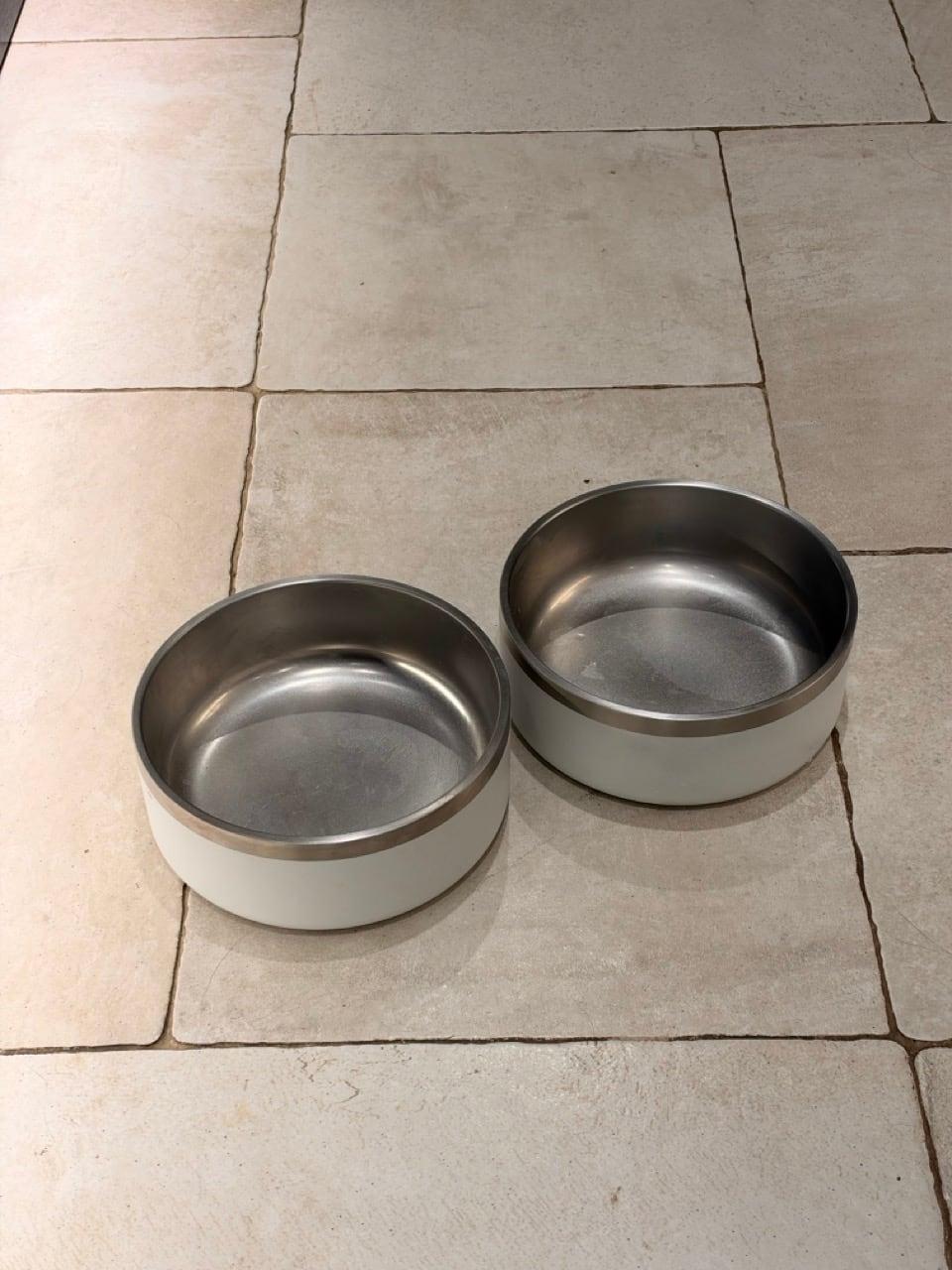
Bella & Duke’s smallest delivery is 4 kg of frozen food, and it arrives in a double-insulated box with dry ice, designed to stay frozen over a two-day delivery, so it needs to go straight in. Each day you move the next meals to the fridge: Bella & Duke says defrosting takes around 24 hours, and defrosted food keeps for up to four days. With more than one dog, that adds up quickly. It’s the one real downside we’ve found, and it’s the same with any frozen raw food.
Our guide to storing and defrosting raw food has practical tips for making room.
Handling and hygiene
Kibble involves no raw meat. Raw does, at every meal, and that carries a real risk of spreading harmful bacteria around your kitchen.
The Food Standards Agency tested 380 samples (277 dog, 103 cat) of raw pet food bought in the UK between March 2023 to February 2024 and found harmful bacteria in 35%, including Salmonella in 21%. The survey didn’t name brands. It’s a reminder that raw feeding needs proper hygiene: defrost in the fridge, keep raw food away from your own, wash bowls, boards and hands, and take extra care with young children or anyone more vulnerable to food poisoning at home.
Read our guide to raw dog food safety before you decide. If handling raw meat every day isn’t realistic for your household, that’s a good reason to stay with kibble or look at cooked food.
What vets’ bodies say
The British Veterinary Association doesn’t single out one best diet for dogs. Its published policy on diet choices and its guidance on raw meat-based diets flag the handling and harmful-bacteria risks that come with raw feeding.
In other words, the main UK vets’ body isn’t telling you raw is better or that kibble is better. It’s telling you to think carefully about safety if you feed raw. Our own advice on top of that: whatever you feed, make sure it’s a complete, balanced diet, and ask your vet, who knows your dog. Both of the BVA’s pages are linked in the sources below if you’d like to read them in full.
If you do feed raw, the Royal Kennel Club gives 2% to 3% of body weight a day as a guide, and notes that active dogs need to eat more. Its advice is also to speak to your vet first.
What changed when our dogs moved to raw
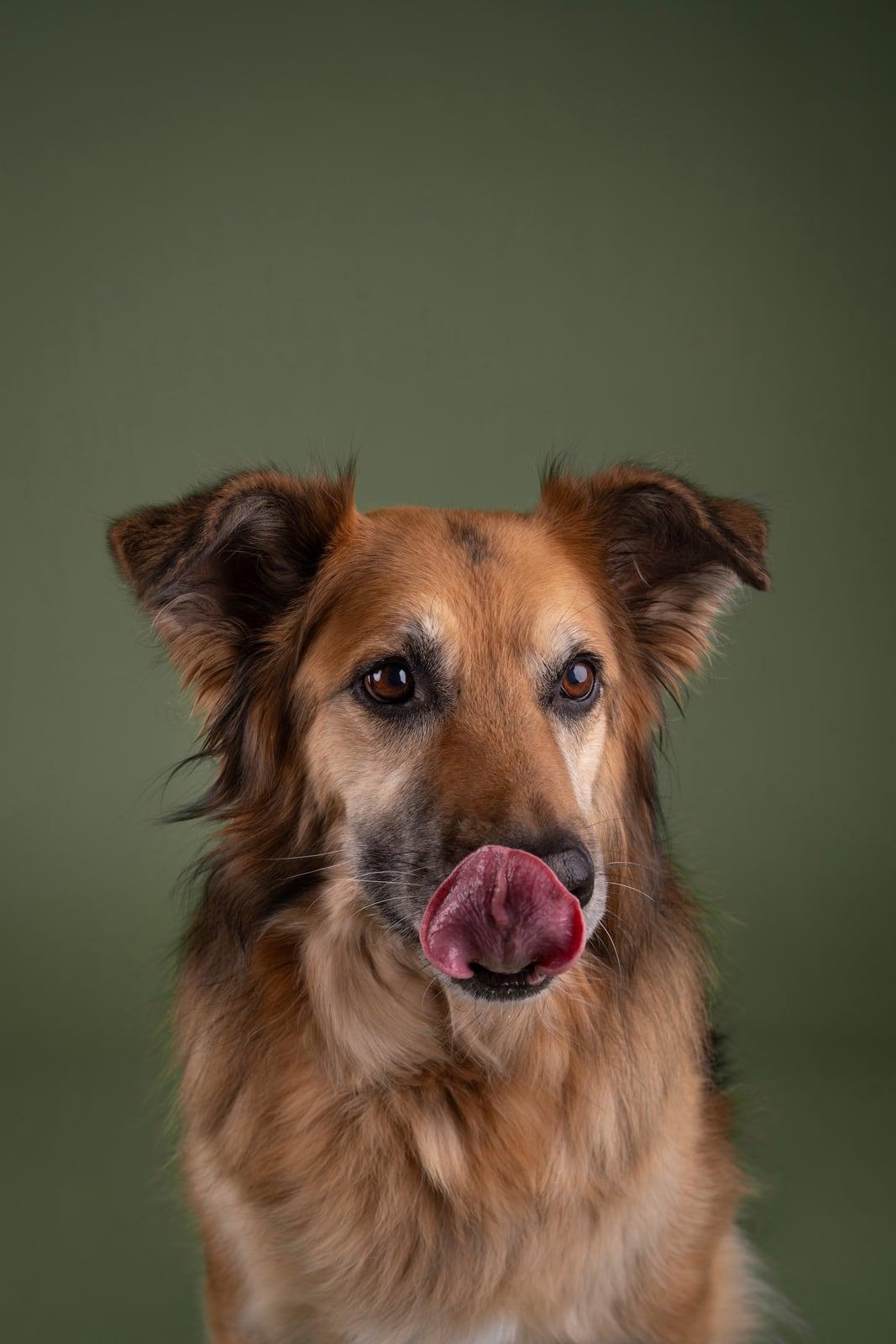
Our household fed Tails.com, a tailored kibble, before raw. Along the way we also tried Butternut Box and other raw brands before settling on Bella & Duke. So what we noticed is about moving to Bella & Duke, not a clean kibble-to-raw experiment.
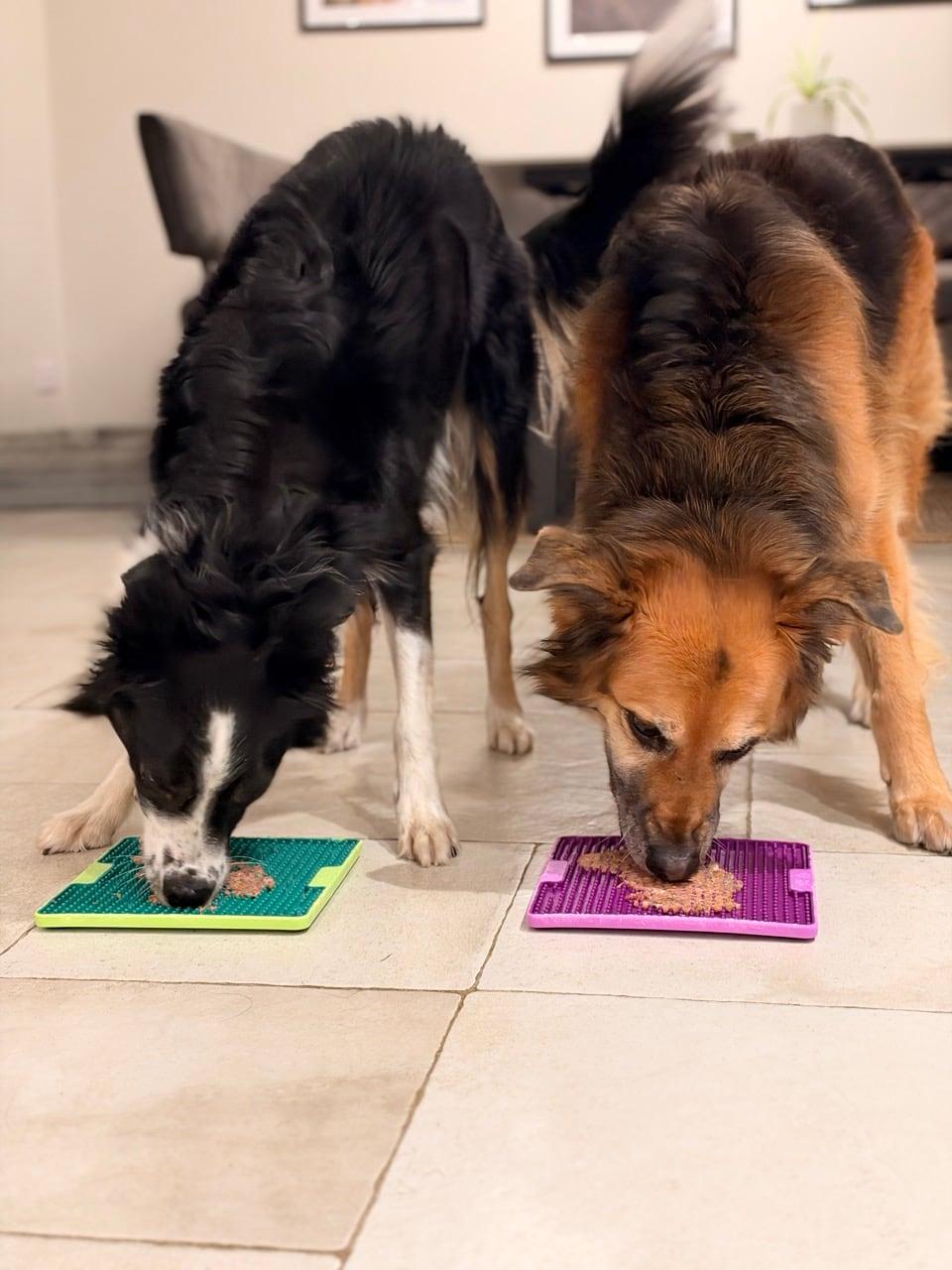
- Clean bowls, every mealBoth finish everything and are keen at mealtimes. No more fussing or leftovers.
- Smaller, firmer poosA noticeable change, and easier pick-ups on walks.
- Better coats and skinShinier coats and less scratching than before.
- Steadier weight, more pepEasier to keep both at a healthy weight, with plenty of energy.
The one downside: finding freezer space, which is the same with any frozen raw food.
This is what we noticed in our two dogs, not a promise of what any food will do for yours. A starting point, not veterinary advice. Ask your vet before changing your dog's diet, especially for puppies, pregnant or nursing dogs, or dogs with a health condition.
We can’t tell you how much of that is down to raw itself, and how much to this particular food suiting our two. That’s why we’d never promise the same for your dog.
Where kibble wins
Kibble is the better choice on several counts, and we’d rather say so plainly:
- Price. It’s usually cheaper per day, especially for big or very active dogs.
- Storage. No freezer space, no defrosting, no forgetting to move tomorrow’s food to the fridge.
- Handling. No raw meat in the kitchen, which matters if you have young children or anyone more vulnerable to food poisoning at home.
- Travel and kennels. A bag of kibble goes anywhere. Raw needs a freezer or a cool box, and some kennels won’t handle it.
- Availability. You can buy kibble almost anywhere if you run out. Most raw comes by delivery.
- Simplicity. Scoop, serve, done.
If those matter more to you than the change to a fresh diet, kibble is a sensible choice. If you want something in between, our raw vs cooked dog food comparison looks at gently cooked fresh food.
Pros and cons of each
Raw
What works
- A fresh, meat-based diet in complete recipes
- Both our dogs finish every meal (what we noticed, not a promise)
- No cooking: defrost and serve
- Delivered to your door
What doesn't
- Usually costs more than kibble
- Needs freezer space and defrosting a day ahead
- Handling raw meat, with a real bacteria risk
- Harder to travel with
Kibble
What works
- Usually the cheapest way to feed a complete diet
- Stores in a cupboard
- No raw-meat handling
- Easy to buy, pack and travel with
What doesn't
- A processed, dry food rather than a fresh one
- Some dogs are fussier with it
- Quality varies widely between brands, so read the label
- Not every dog gets on with every kibble
If you decide to switch
Switch gradually and talk to your vet first, especially for puppies, older dogs and dogs with a health condition. Raw portions are bigger by weight than kibble, so don’t judge the amount by eye.
Our guide to switching from kibble to raw sets out a simple plan, and our raw feeding calculator gives a starting daily amount from your dog’s weight, age and activity. A starting point, not veterinary advice. Ask your vet before changing your dog's diet, especially for puppies, pregnant or nursing dogs, or dogs with a health condition.
Frequently asked questions
Is raw food better than kibble?
Neither is better for every dog. Plenty of dogs do well on a good complete kibble, and plenty do well on raw. The British Veterinary Association doesn’t single out one best diet, and it flags the handling and bacteria risks of raw. Choose what suits your dog and your household, and ask your vet first.
Is raw dog food more expensive than kibble?
Usually, yes. Bella & Duke advertises raw from £1.18 a day for a 5–10 kg, 4-year-old dog on Adult Premium Complete with an 8 kg delivery; Tails.com is reported to start from 62p a day. The two figures are for different dogs, so get quotes for your own.
What do vets say about raw feeding?
The British Veterinary Association’s position is that there isn’t one diet that’s right for every dog, and it highlights the risk of harmful bacteria when handling raw meat-based diets. Ask your own vet, who knows your dog.
How much raw food does a dog need compared with kibble?
Raw portions are bigger by weight than kibble portions. The Royal Kennel Club gives 2% to 3% of body weight a day as a guide for raw, and active dogs need to eat more. A starting point, not veterinary advice. Ask your vet before changing your dog's diet, especially for puppies, pregnant or nursing dogs, or dogs with a health condition.
What changed when your dogs moved to raw?
Since switching to Bella & Duke we noticed clean bowls and less fussiness, smaller and firmer poos, better coats and skin, and steadier weight with more energy. That’s what we saw in our two dogs, not a promise for yours.
Sources
- Bella & Duke raw dog food ranges
- Bella & Duke pricing and delivery
- All About Dog Food: Bella + Duke brand page (updated 5 November 2026)
- Bella & Duke help: Do you have a minimum delivery size?
- Bella & Duke help: How to defrost your food
- Food Standards Agency: survey of contamination in raw dog and cat food on sale in the UK
- GOV.UK: Good hygiene when handling raw pet food emphasised in FSA survey (25 February 2026)
- Royal Kennel Club: Is raw food good for dogs?
- British Veterinary Association: Diet choices for cats and dogs
- British Veterinary Association: Is it safe or advisable to feed my dog or cat a raw meat-based diet?
- Tails.com
- Tails.com (/pricing)
- Pure Pet Food
Figures last checked 15 November 2026. If something has changed, tell us and we will correct it.
Related reading
- vs Tails.comBella & Duke against Tails.com from a household that fed both: raw against dry food, cost, storage and convenience.
- Switching to rawHow to switch a dog from kibble to raw food: a gradual or straight switch, what to expect in the first weeks and when to slow down.
- Raw vs cookedRaw against gently cooked dog food: what differs, handling and safety, cost and convenience, and why we chose raw after trying both.
- Is raw safe?The honest safety picture on raw dog food: the FSA found harmful bacteria in 35% of samples, what vets say, and the handling steps that reduce the risk.