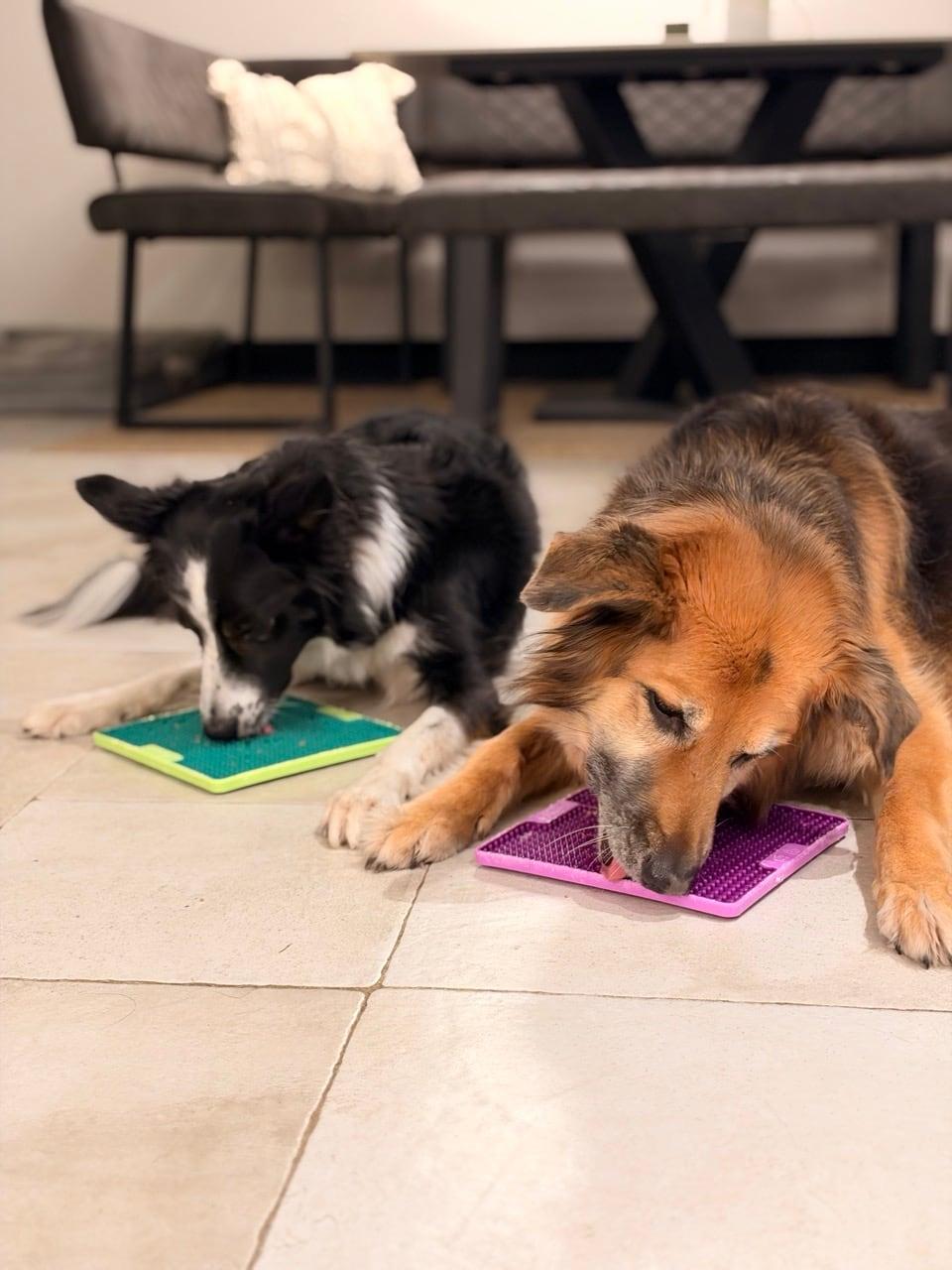
Raw vs cooked dog food: which fresh diet suits your dog?
Raw and gently cooked dog food are closer than they look: both are fresh, meat-based and usually delivered. The big differences are what happens in your kitchen. We tried cooked food before settling on raw, and here’s the honest comparison, including when cooked is the better choice.
The short answer
Choose raw if you’re comfortable handling raw meat every day, have the freezer space and your vet is happy. Choose gently cooked if you want a fresh diet without raw-meat handling, or if anyone at home is more vulnerable to food poisoning. Neither is the right answer for every dog. Ours eat raw, and we’ll explain why, but cooked is a perfectly good choice for many households.
What’s actually different
The difference is simply whether the food has been cooked before it reaches your dog’s bowl. Both are usually made from fresh meat and vegetables, both are usually sold as complete meals by subscription, and both are a long way from a bag of kibble.
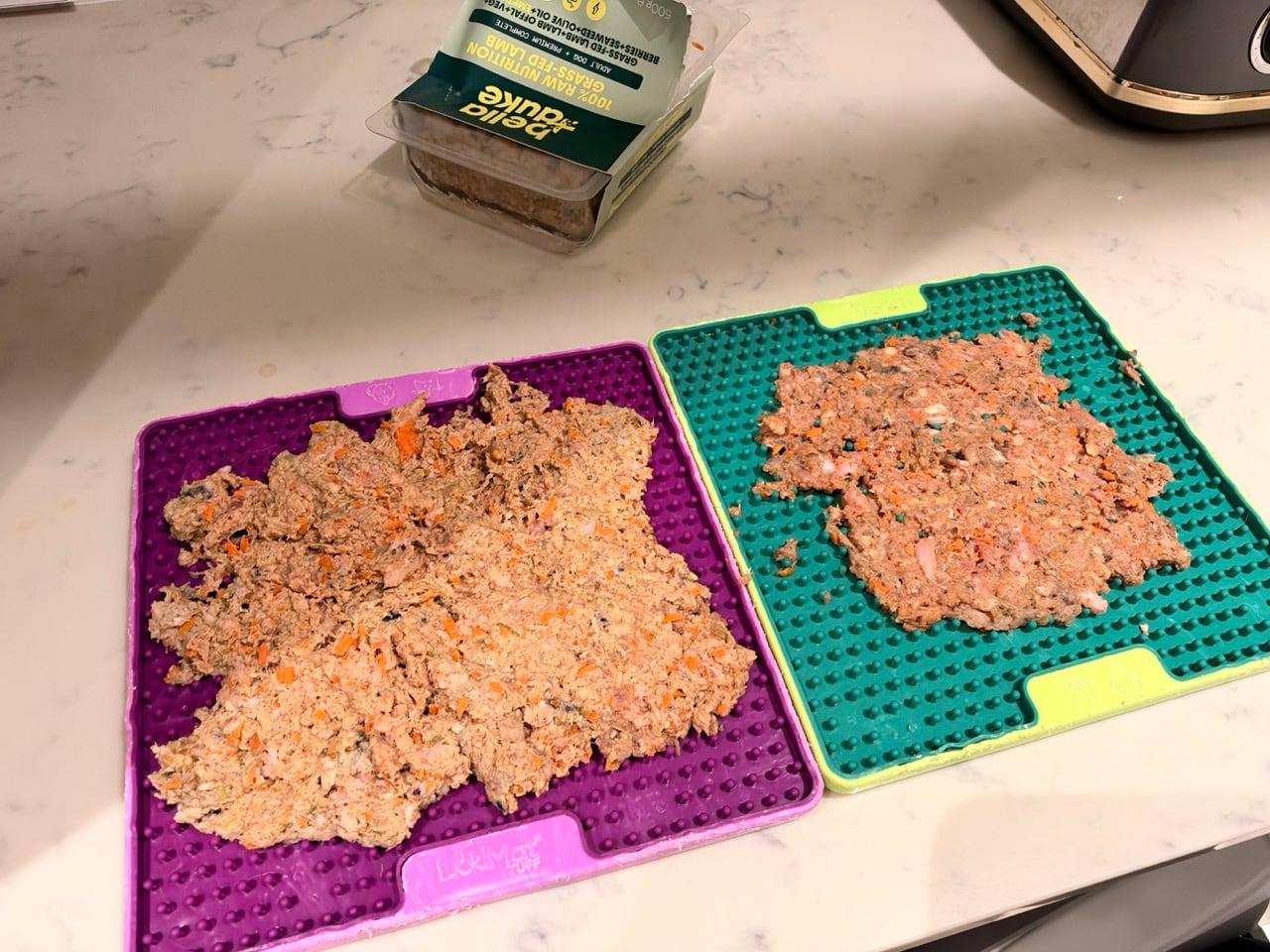
Raw food is uncooked meat, often with ground bone, usually sold as complete recipes. It arrives frozen. Bella & Duke, for example, says its recipes are at least 80% meat and 20% fruit, veg and healthy fats. Because raw recipes often contain bone, they aren’t meant to be heated: Bella & Duke says there is no cooked range: the food contains bone and should not be cooked.
Gently cooked food is fresh meat and vegetables, lightly cooked, then portioned and sent out. Butternut Box describes its food as fresh, gently cooked meals; Different Dog as fresh, cooked meals. How it’s stored varies by brand: for Butternut Box, it’s cooked meals delivered for the freezer and fridge (reported; check their site).
| Feature | Rawe.g. Bella & Duke | Gently cookede.g. Butternut Box, Different Dog |
|---|---|---|
| What it is | Uncooked meat, often with bone; many brands sell complete recipes | Fresh meat and vegetables, lightly cooked before it reaches you |
| How it arrives | Frozen, in insulated boxes | Cooked meals delivered for the freezer and fridge (reported; check their site) |
| Handling | Raw-meat hygiene every meal: hands, bowls, surfaces | No raw meat to handle; normal food hygiene still applies |
| Safety picture | The FSA found harmful bacteria in 35% of raw pet food samples | Cooking happens before delivery, so the raw-meat handling risk is removed |
| Preparation | Defrost in the fridge, around 24 hours | Check each brand's storage and serving instructions |
| Can you heat it? | No: Bella & Duke says its food contains bone and should not be cooked | It is already cooked |
| Who it suits | Households happy to handle raw meat, with freezer space | Owners who want fresh food but would rather not handle raw meat |
Brand details are from each brand’s own site, checked on 15 November 2026. Anything marked “reported” we couldn’t confirm there.
Handling and safety
This is where the two really differ. With cooked food, the cooking happens before it reaches you, so you aren’t handling raw meat. With raw food, you are, at every meal, and that carries a real risk of spreading harmful bacteria around your kitchen.
The Food Standards Agency tested 380 samples (277 dog, 103 cat) of raw pet food bought in the UK between March 2023 to February 2024. It found harmful bacteria in 35% of samples, including Salmonella in 21%, Campylobacter in 14% and Shiga toxin-producing E. coli in 12%. The survey didn’t name brands, so it tells you about raw pet food in general, not any one product.
That doesn’t mean raw can’t be fed carefully. It means hygiene isn’t optional: defrost in the fridge, keep raw food away from your own food, wash bowls, boards and hands after every meal, and don’t let your dog lick faces straight after eating. Food Standards Scotland publishes similar handling advice. Our guide to raw dog food safety covers the full picture and the routine we’d recommend.
Cost
We can’t give you a fair like-for-like price, because we only have verified prices for raw. What we can say is that both are premium fresh foods and both cost more than most dry food.
Bella & Duke advertises raw from £1.18 a day, based on a 5–10 kg, 4-year-old dog on Adult Premium Complete with an 8 kg delivery. All About Dog Food puts the average across Bella & Duke’s products at £2.52 a day for its own reference dog. Bigger and more active dogs cost more, whichever food you choose. We don’t have a verified per-day figure for Butternut Box or Different Dog, so get a quote for your own dog from each.
New-customer offers soften the first few boxes on both sides. Bella & Duke’s friend code gives 40% off your first two boxes, then 20% off the third, each capped; Butternut Box advertises 25% off your first 2 boxes plus a free gift; 50% off your first box for mailing-list sign-ups; Different Dog advertises 20% off your first 2 boxes plus a free treat, code REAL202. Compare the price after the offer ends: that’s what you’ll be paying. Our guide to raw dog food cost per day explains what drives the price, and our raw dog food offers page lists the current deals.
Convenience
Cooked food is usually the easier of the two day to day, because there’s no raw meat to handle. Raw adds a defrosting step and a bit more cleaning up, but once it’s a habit it isn’t much work.
With raw, you move tomorrow’s food from the freezer to the fridge each day. Bella & Duke says defrosting takes around 24 hours and that defrosted food keeps in the fridge for up to four days. Forget, and you’re waiting. The other big practical point is freezer space: Bella & Duke’s smallest delivery is 4 kg, and it all needs to fit in the freezer when it arrives.
Cooked food still needs space in the freezer or fridge, depending on the brand, so it isn’t storage-free. But you can generally serve it without the same raw-meat precautions. Our guide to storing and defrosting raw food covers the raw routine in more detail.
Pros and cons of each
Raw
What works
- Complete recipes for most life stages, delivered frozen
- Both our dogs finish every meal (what we noticed, not a promise)
- No cooking or heating needed: defrost and serve
- A wide choice of raw brands and complete recipes
What doesn't
- Handling raw meat at every meal, with a real bacteria risk
- Needs freezer space and defrosting a day ahead
- Usually costs more than dry food
- Not right for every household or every dog
Gently cooked
What works
- Fresh food without raw-meat handling
- A more cautious choice for households with vulnerable people
- Still a fresh, meat-based complete diet
- Often the easier step for people moving from kibble
What doesn't
- Still needs freezer or fridge space, depending on brand
- Usually costs more than dry food
- Some dogs do better on one fresh food than another, so it can take trial and error
- Normal food hygiene and careful storage still apply
Why we chose raw after trying cooked
Our dogs ate cooked food before they ate the raw food they’re on now. Raw is simply what has worked best for our two. That’s a household verdict, not a judgement on cooked food in general.
This is what we noticed in our two dogs, not a promise of what any food will do for yours. A starting point, not veterinary advice. Ask your vet before changing your dog's diet, especially for puppies, pregnant or nursing dogs, or dogs with a health condition.
The trade-off is the one this whole page is about: raw means handling raw meat and finding freezer space, which cooked food largely avoids. If that trade-off doesn’t work for your household, cooked is the sensible choice, and nobody should talk you out of it.
If you’re weighing these two specific brands, our Bella & Duke vs Butternut Box comparison goes into offers, storage and which suits which dog. And our Bella & Duke review covers three years of feeding it.
Switching between cooked and raw
If you decide to move from one to the other, do it gradually and talk to your vet first. A sudden change of food is a common cause of upset tummies, whichever direction you’re going.
A few practical points we’d pass on to a friend:
- Sort the freezer before the first box. A raw delivery arrives frozen and needs to go straight in. Clear the space the day before.
- Use the brand’s portion guide as a starting point. Each brand works out daily amounts from your dog’s weight, age and activity, and the amounts aren’t interchangeable between foods. Weigh portions for the first few weeks and adjust with your vet’s help.
- Set up your hygiene routine on day one. Decide where raw food defrosts, which bowls and surfaces it touches, and how you clean up, before it becomes a habit.
- Give it a few weeks. Appetite, energy and what comes out the other end can all change as a dog adjusts. If anything worries you, slow down and speak to your vet.
- Watch the offers. Most fresh brands discount your first box or two, and codes can’t usually be combined, so pick one and check the price after it ends.
Our guide to switching to raw is written for dogs coming off kibble, but the same gradual approach works from cooked food too.
Who should choose cooked
Cooked food is the better choice if any of these describe you:
- Someone at home is more vulnerable to food poisoning: young children, older or pregnant people, or anyone with a weakened immune system.
- You don’t want to handle raw meat every day, or can’t keep raw food well away from your own.
- Your vet advises against raw for your dog, for example because of a health condition or medication.
- Your dog visits places that don’t allow raw, such as some kennels and therapy-dog schemes. Check before you switch.
- You want fresh food but your dog is moving from kibble and you’d like a gentler step first.
And raw is worth a try if none of those apply, you have the freezer space, and your vet is happy. Whichever you choose, switch gradually and keep an eye on how your dog gets on. If you’re also weighing dry food, read our raw vs kibble comparison, and for brand-by-brand picks see the best raw dog food in the UK.
Frequently asked questions
Is raw or cooked dog food better?
Neither is better for every dog. Both can be complete, fresh diets. Raw needs careful handling of raw meat and freezer space; gently cooked food avoids raw-meat handling. Choose the one that suits your dog and your household, and ask your vet first.
Is cooked dog food safer than raw?
For the people handling it, cooked food removes the raw-meat risk, because it is cooked before it reaches you. The Food Standards Agency found harmful bacteria in 35% of raw pet food samples it tested in the UK. Raw can be handled carefully, but the risk is real.
Can I cook raw dog food?
Not Bella & Duke’s: there is no cooked range: the food contains bone and should not be cooked. If you want cooked food, choose a food made to be cooked rather than cooking a raw recipe.
Is raw dog food cheaper than cooked?
We don’t have a verified per-day price for the cooked brands, so we can’t say for certain. Bella & Duke advertises raw from £1.18 a day for a 5–10 kg, 4-year-old dog on Adult Premium Complete with an 8 kg delivery. Get a quote for your own dog from each brand and compare the full price after any offer.
Why did you choose raw over cooked?
We tried Tails.com, Butternut Box and other raw brands before Bella & Duke, and the other foods either didn't agree with the dogs' tummies or the quality wasn't good enough. Our two dogs have eaten Bella & Duke for about three years. That is our experience, not a rule: plenty of dogs do well on cooked food.
Sources
- Food Standards Agency: survey of contamination in raw dog and cat food on sale in the UK
- GOV.UK: Good hygiene when handling raw pet food emphasised in FSA survey (25 February 2026)
- Bella & Duke raw dog food ranges
- Bella & Duke pricing and delivery
- All About Dog Food: Bella + Duke brand page (updated 5 November 2026)
- Bella & Duke help: How to defrost your food
- Bella & Duke help: Do you have a minimum delivery size?
- Food Standards Scotland: Raw pet food
- Butternut Box
- Different Dog
Figures last checked 15 November 2026. If something has changed, tell us and we will correct it.
Related reading
- vs Butternut BoxBella & Duke against Butternut Box from a household that fed both: raw against cooked, offers, storage and which suits which dog.
- Raw vs kibbleRaw food against dry kibble: cost, storage, handling, what vets say and what changed when our two dogs moved from kibble to raw.
- Is raw safe?The honest safety picture on raw dog food: the FSA found harmful bacteria in 35% of samples, what vets say, and the handling steps that reduce the risk.
- Best raw dog food UKThe main UK raw dog food brands compared on format, subscription, offers and who they suit, from a household that has fed raw for three years.